
Stay Wild Travels contains affiliate links. If you make a purchase using one of these links then we may receive compensation at no extra cost to you. Ads and affiliate links are how we keep this content free. A huge thanks if you use these as it helps us a lot! See our Full Policy for more information.

Packing for Peru isn’t an easy task – mainly because there are so many different climates to cater for. On top of that, when it’s summer on one side of the country, it’s a different season on the other (and you’ll more than likely be travelling to both if you’re planning on visiting Machu Picchu).
I’ve lived in Lima for the last 2 years and travelled Peru extensively across all seasons, including Cusco, Huaraz, the Amazon (Iquitos), Paracas, Mancora and Machu Picchu. I’ve done everything from hiking in the Andes to Amazon tours – and I’ve also made every packing mistake possible so you don’t have to.
How to Use My Peru Packing List
I’m going to list out all the absolute essentials that you’d need to take with you, regardless of where you’re going and what time of year, and then under each specific location, I’ll list out what you need in addition for each specific part of Peru – because some of you might be going to the Amazon jungle and others may skip it for places like Huaraz, so this format will help you pick and choose the relevant list you need.
I’ll also give you specific recommendations for things that I personally bought and used that were helpful.
My Peru packing list also assumes that you’ll be following a 2, if not 3 week itinerary through Peru, and factors in potential seasonal changes so that it’s suitable to use for everyone – no matter what time of year you’re heading here.
note: I also wrote a 10 day Peru itinerary if you’re looking for one of those!
General Packing List For Peru
1. SafetyWing Insurance
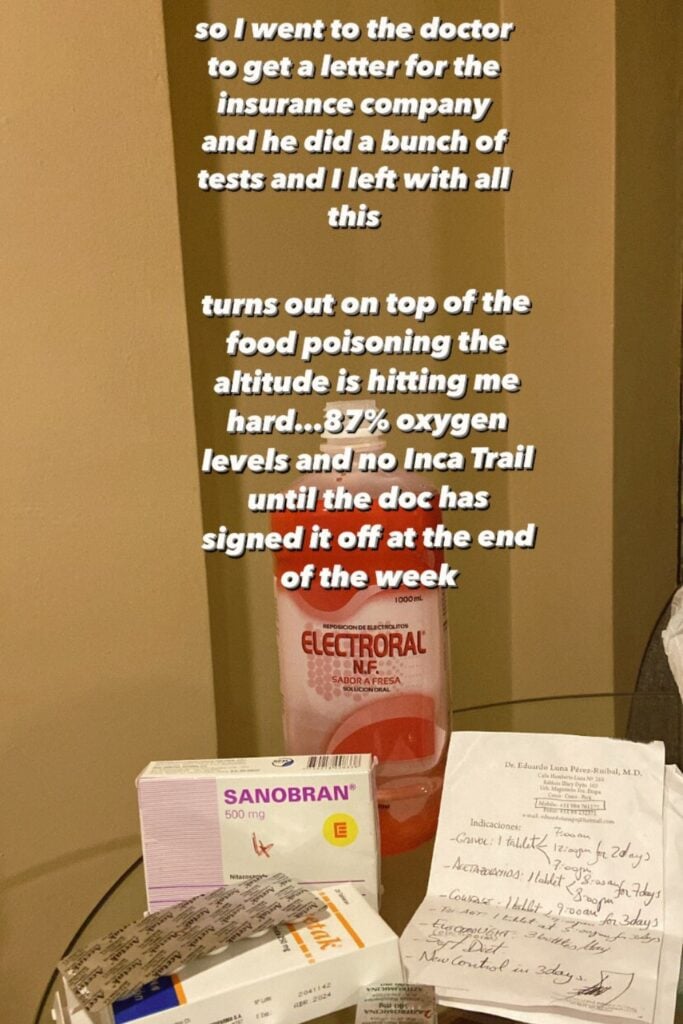
First things first, I really want to call out the importance of having travel medical insurance ahead of travelling to Peru. It’s the only place in the world I’ve actually had to claim against it multiple times (which I guess you could say is either unlucky or lucky).
I wasn’t able to do my 4 day Inka trek to Machu Picchu the first time around because I got altitude sickness and food poisoning at the same time (lucky me). I also had my phone stolen whilst walking down the street in Lima.
Luckily, I was covered by my SafetyWing Nomad Insurance (which isn’t just for nomads, despite their marketing), and I was able to claim and get the money back without any issues.
I have a whole review about SafetyWing that you can read, but 2 things I particularly love are the fact that they were 80% cheaper than my original choice, whilst still having just as great coverage, and that you can purchase the insurance even whilst you’re in the country (which is not the case for others).
Now let’s look at the rest of the things that you need to pack for Peru – assuming you’re going for 2-4 weeks.
2. Clothing Essentials
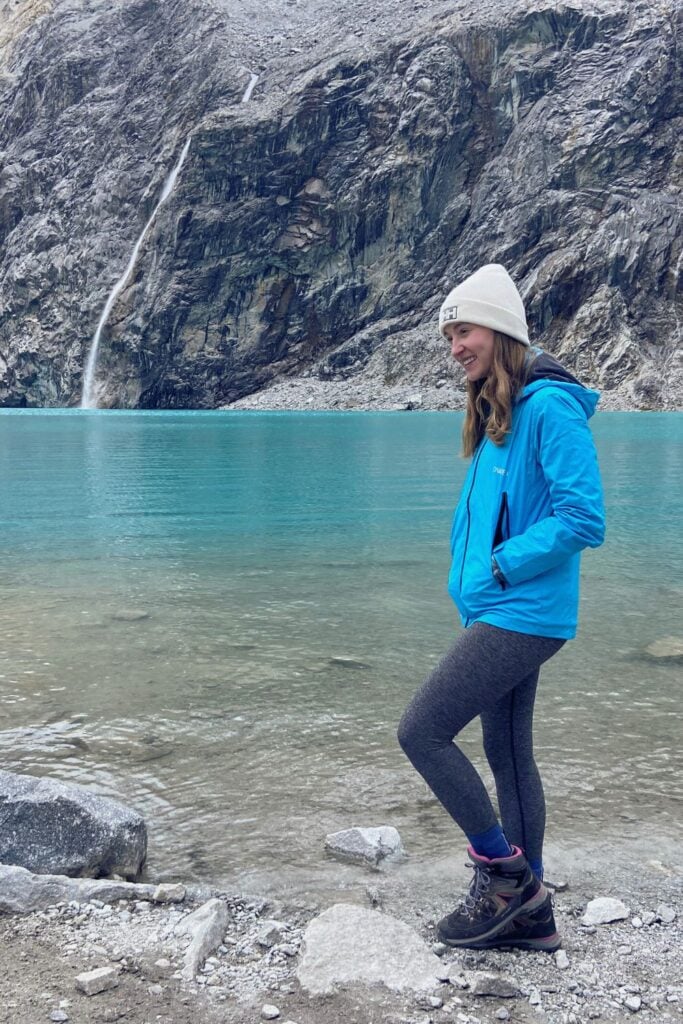
- 4–5 quick-dry T-shirts
- 2 long-sleeve breathable shirts
- 2 pairs of casual trousers/jeans/leggings
- 1 pair of shorts
- 1 fleece or mid-layer
- 1–2 lightweight dresses / casual outfits
- 1 swimsuit
- 7–10 pairs of underwear
- 6-7 pairs of casual socks
- 1 warm hat + 1 sun hat
3. Footwear

- 1 pair of trainers
- 1 pair of comfortable everyday shoes (if you’re not happy wearing trainers all the time)
- 1 pair sandals/flip flops (at the very least, for hostel showers if you’re a backpacker)
4. Documents & Travel Essentials
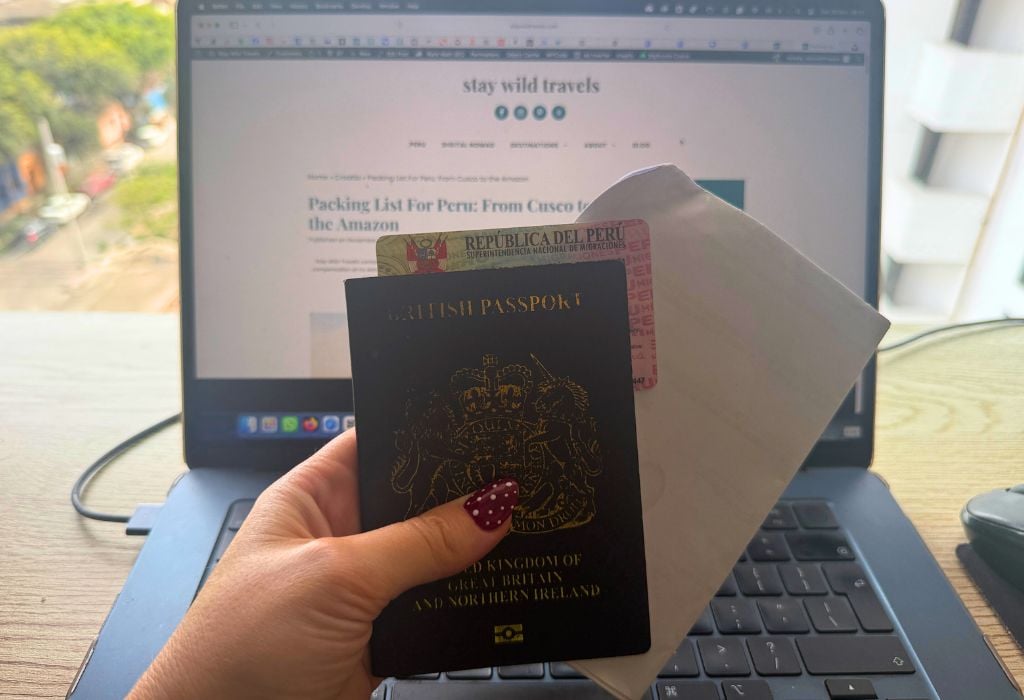
- Passport (6-month validity)
- Confirmation of a flight/bus leaving Peru (if you’re not sure when you’ll leave, then I’ve used Onward Ticket a couple of times or I have booked a LATAM flight a couple of hours before landing in Peru and cancelled it within 24 hours)
- Confirmation of where you’ll be staying
- Copy of any reservations (fine on your phone)
- Travel insurance documents
- Yellow fever vaccine and card (recommended for Amazon regions, although I actually didn’t need it for Iquitos. However, I did get in anyway from a clinic in Miraflores called Suiza Lab. Just remember that it takes 10 days before it becomes effective, and you might feel rough during that time – I did.
- A travel eSIM for data when you arrive
- Debit/credit cards and some Peruvian Soles in cash
- A small daypack (20–30L)
- Reusable water bottle with a filter (I’ve been sick from the water here more times that I like to admit)
- Packing cubes
- Sunglasses
My Reusable Water Bottle With A Filter
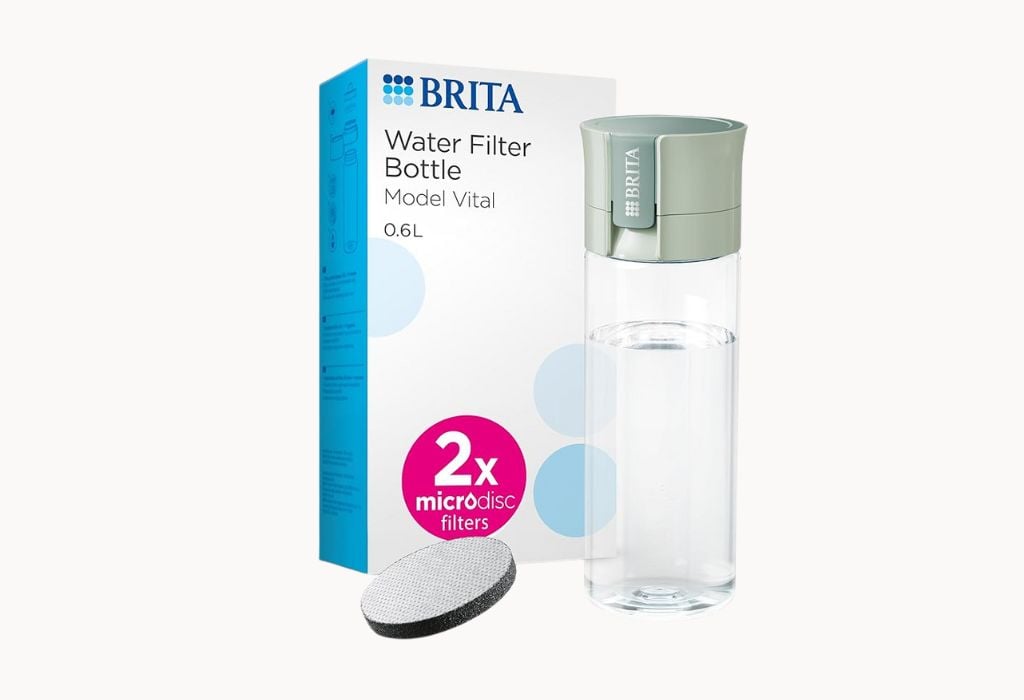
This is the one I have, and I guess my testimonial as to why you should also consider it is because when I’m consistently using it, I never get stomach issues (sorry for the TMI). Plus, Brita is such a solid and well-trusted brand, so I think for the price, you can’t really go wrong.
Check the prices here: Brita Water Filter Bottle
My Small Daypack
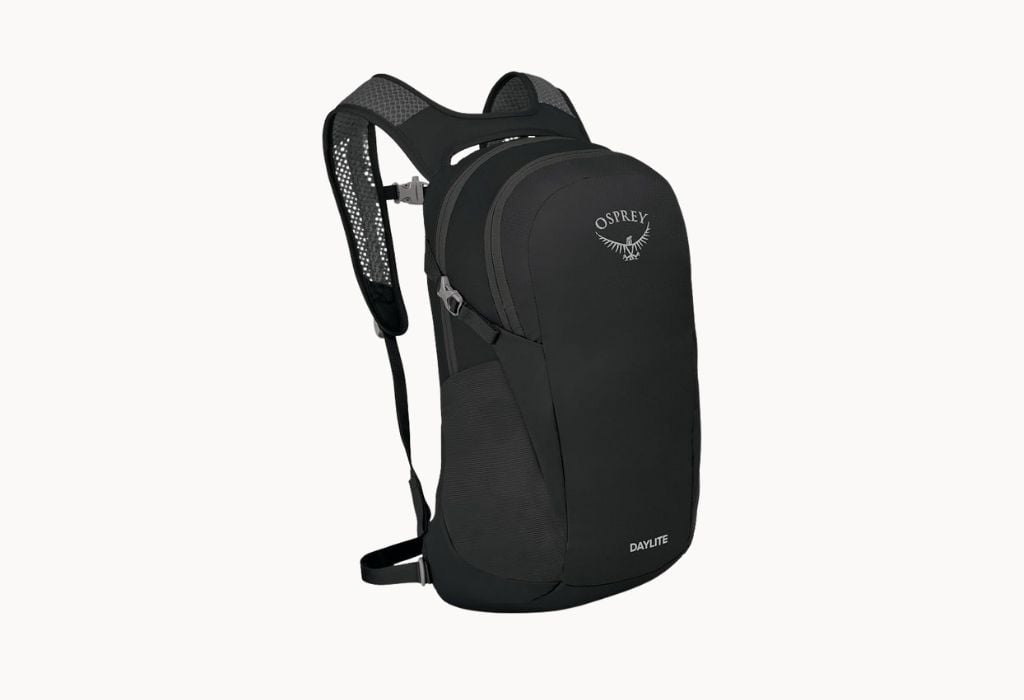
Myself – and I think every member of my family, have one of the Osprey DayLite Backpacks. Mine has been all around the world with me and hasn’t failed me yet. I love the fact that it doesn’t make me sweaty and stick to my back, as well as the fact that it’s literally like the Tardis and I can fit so many things in it.
It’s definitely not the cheapest on the market, but it’s still great value for money, and they last forever.
Check the prices here: Osprey DayLite Backpack
5. Toiletries & Personal Care
- Basic toiletries
- Sunscreen SPF 50
- First-aid kit (band-aids, blister plasters)
- Anti-diarrheal meds
- Hand sanitiser + antibacterial wipes
- Tissues (alot of the toilets around Peru do not have tissue, so make sure you always have some spare)
My Face Sunscreen
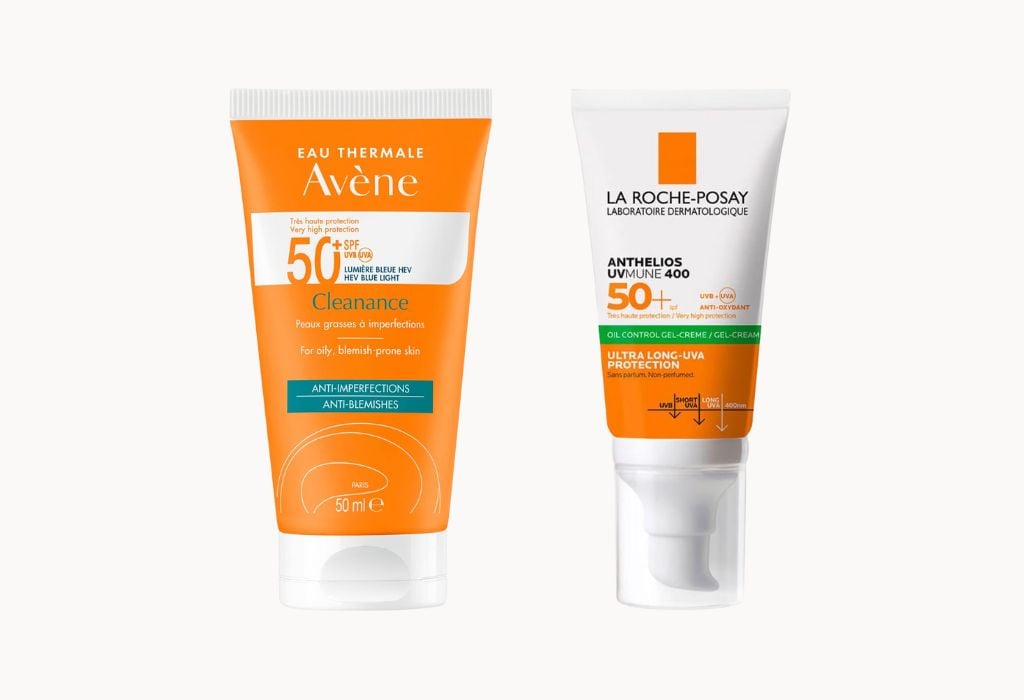
If there’s one thing about me, I’m picky about my face sunscreen. My skin is super sensitive, and most things I put on it will just give me spots, which is really annoying. This puts me in an annoying situation because I obviously want to protect my skin from that strong Peruvian sun (and avoid getting wrinkles, lol), but I also don’t want to break out.
Luckily, there are two that I’ve found that are great – the Avène for Blemish-prone skin and the La Roche-Posay Innovation Anthelios Oil Control – neither of which causes me any problems or leaves my skin feeling super oily.
6. Health & Safety Essentials
- Small medical kit
- Copies of passport and documents (on your phone is usually fine)
- Anti-theft bag or money belt
- Padlock (especially if you’re backpacking as these come in handy for hostels)
7. Tech & Electronics
- Universal travel adaptor
- Power bank or 2 (especially for multi-day treks)
- Camera, Drone and SD cards
- Tripod
My Camera Gear
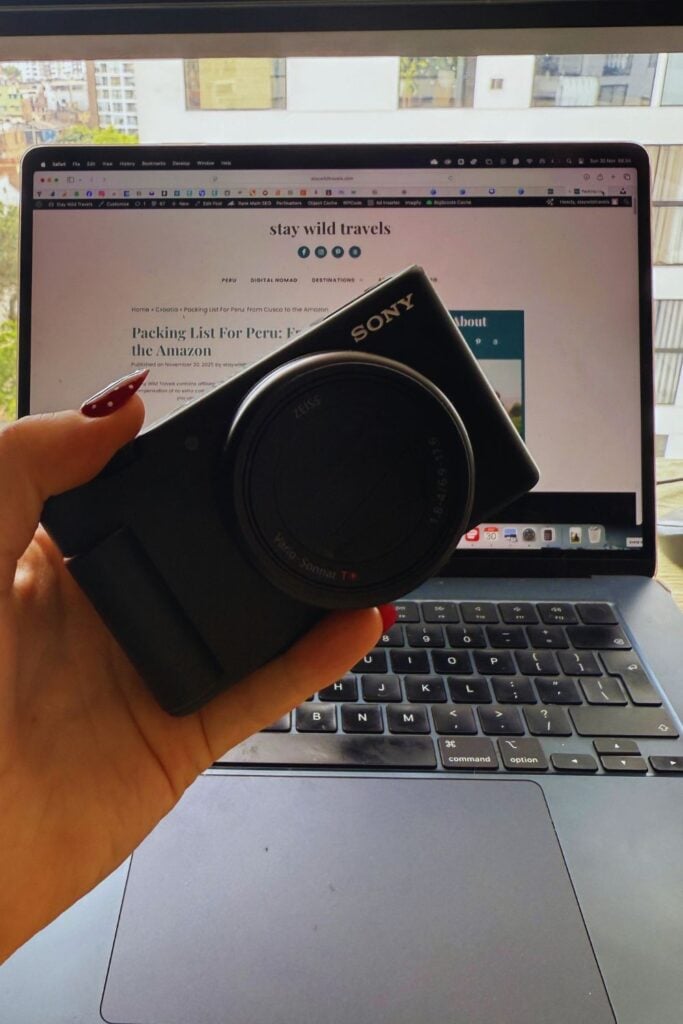
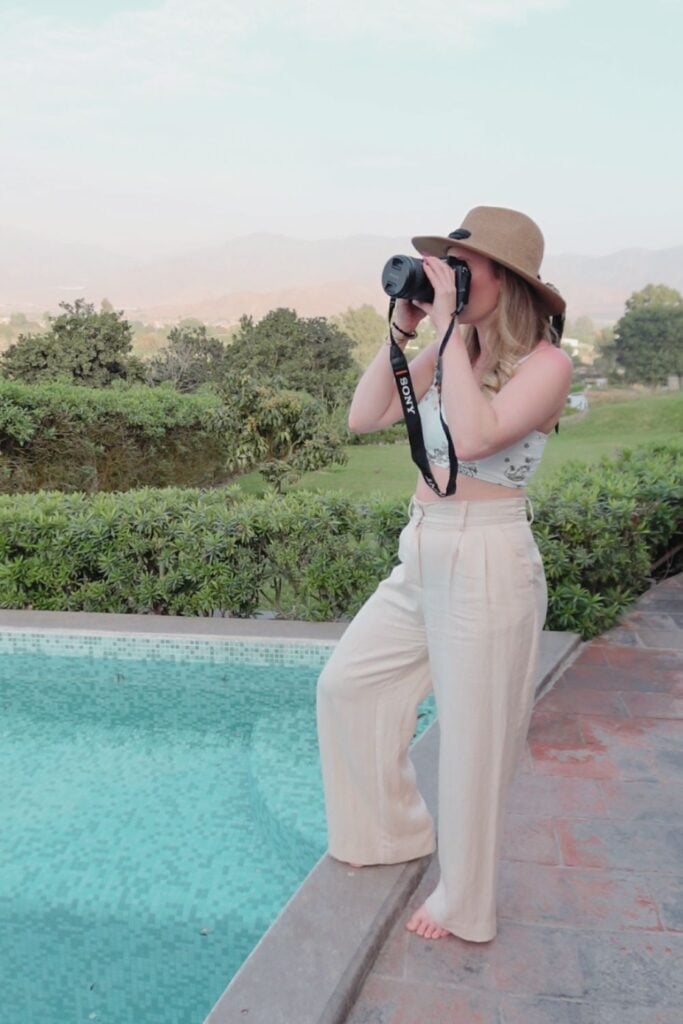
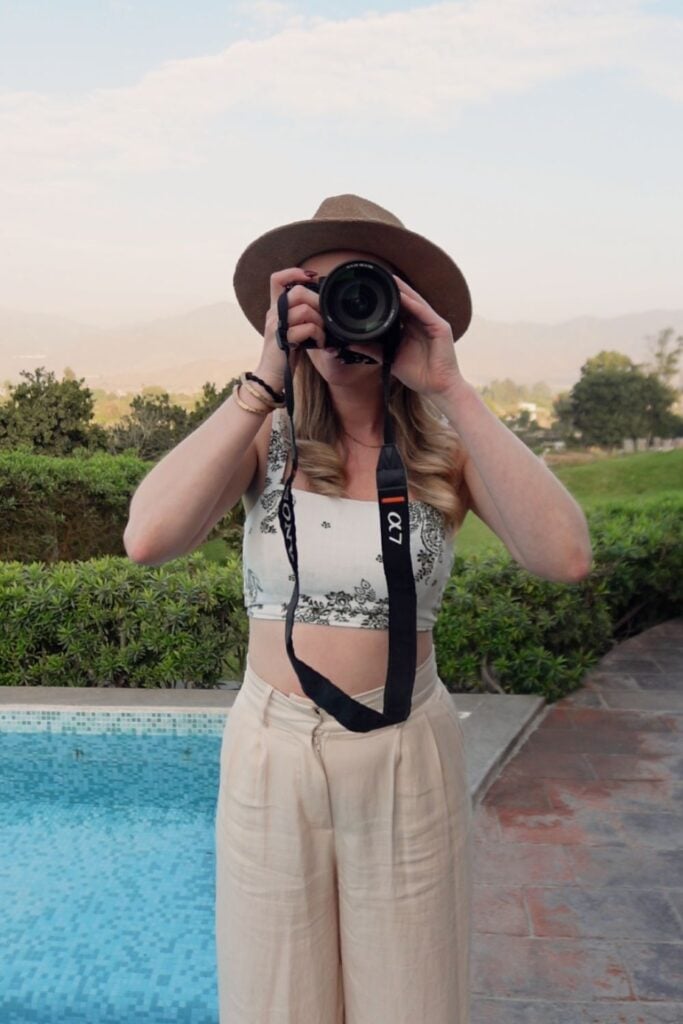
The two cameras I use and love, are the Sony A7r– a big camera thats not crazy heavy, and then my much smaller Sony ZV-1 (mark 2). Both are great, but differ in quality and size. For things like Machu Picchu, I took my A7r but for everyday use and video content, I prefer my ZV-1.
Check prices: Sony A7r and Sony ZV-1 (mark 2)
My Portable Charger
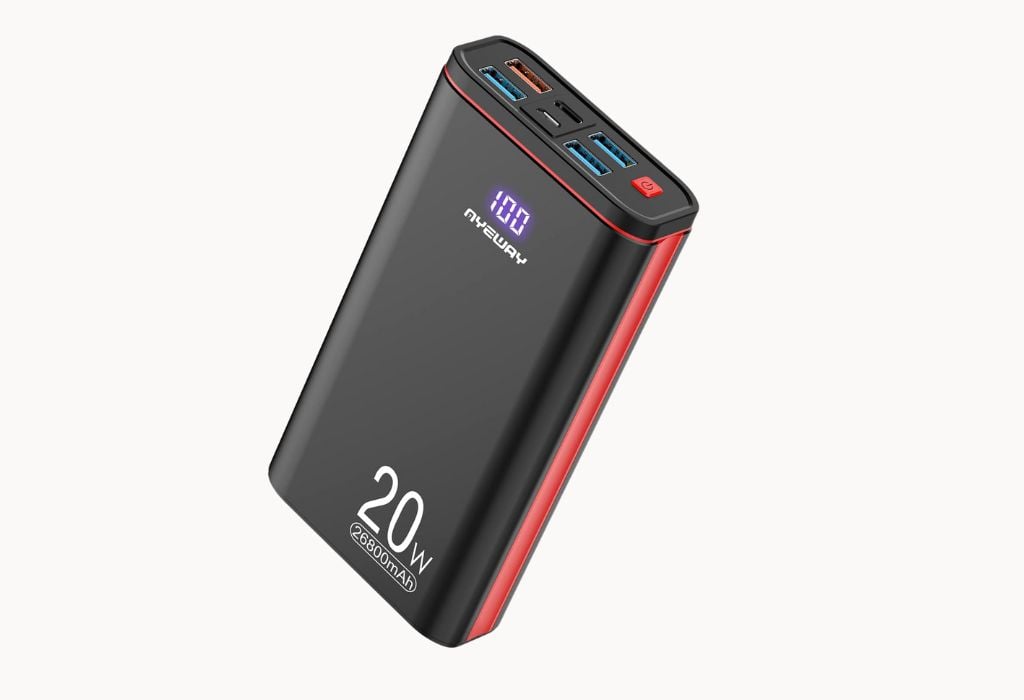
If it’s one thing I’m not scrimping and saving on, it’s a battery pack because having your phone is so important for your safety – especially if you’re solo travelling around Peru or you don’t speak the language and need to use Google Translate. Plus, if you don’t have a camera, you need a phone to capture your memories.
I’ve used the AYEWAY Power Bank for years now and it’s one I’d happily purchase over and over again if I needed to.
Check prices: AYEWAY Power Bank
Packing For The Andes (Cusco, Sacred Valley, Machu Picchu, Lake Titicaca, Arequipa, Huaraz)
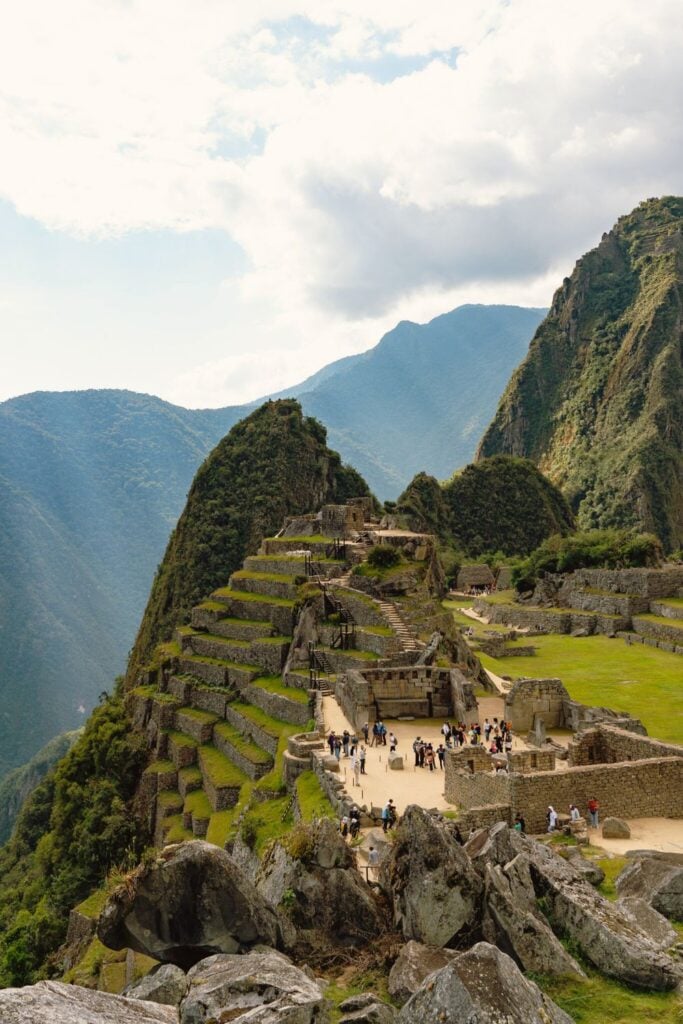

Regardless of the season, this part of Peru is fairly hot in the day and cold at night.
I’ve been here in October, November, January and April, and the temperatures swing back and forth between 0 degrees and the low 20’s – and in places like Huaraz, I literally experienced all seasons in one single hike – the Laguna 69 hike to be specific – so needless to say, you’ll need to pack accordingly.
- Trekking Poles: If you have some, if not, you can rent them for relatively cheap on a lot of the hikes
- Altitude Sickness Medication: The first time I visited Cusco I got altitude sickness so bad I had to fly back to Lima. This could have been avoided if I had taken something like Acetazolamide (which you can get in most pharmacies in Peru). Again, another reason to make sure you have Travel Medical Insurance with someone like SafetyWing!
(p.s – I’m not a medical professional — this is just my personal experience. Always speak to a healthcare provider for proper medical guidance.) - 2 pairs of hiking trousers (or 1 + 1 convertible pair)
- 1 set of thermals
- 4–5 pairs of hiking socks
- 1 waterproof rain jacket
- 1 packable down jacket
- 1 pair of hiking boots
- Dry bags
- Motion sickness tablets: Peru’s roads are windy and I’ve nearly thrown up multiple times on buses
- Electrolytes
My Hiking Boots

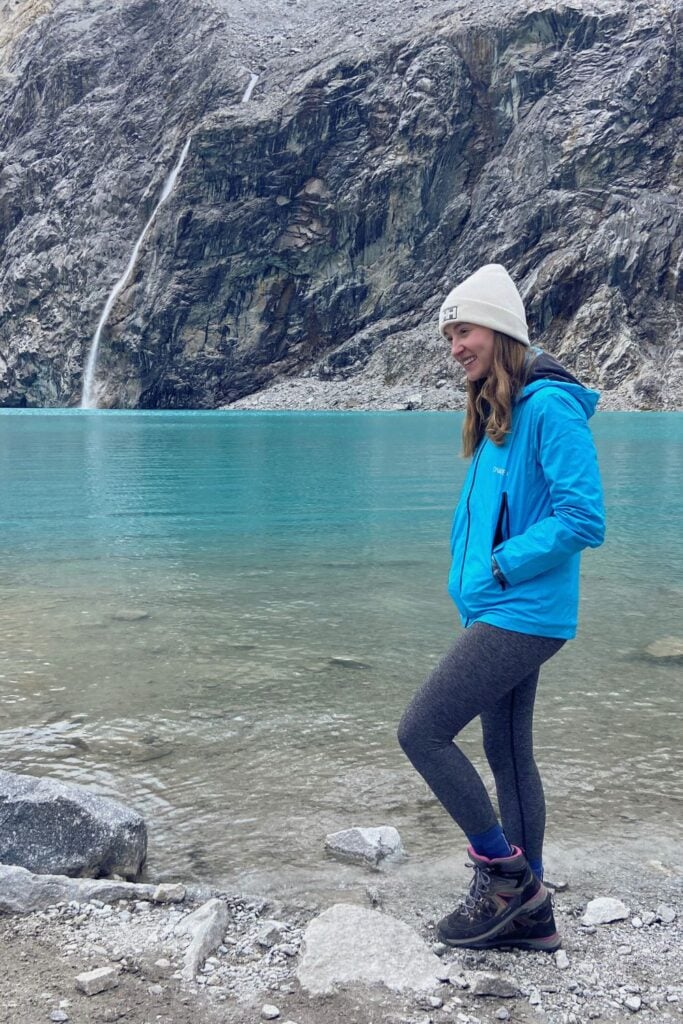
My hiking boots that I used for multiple hikes, not just around Peru, but also other places in South America and Europe, aren’t anything special – they’re budget-friendly Karrimor boots, but I’ve bought them twice over the years because they are so damn comfortable, which just proves you don’t always need the best of the best for everything!
Check prices: Karrimor Hiking Boots
Packing For The Amazon (Iquitos Or Puerto Maldonado)
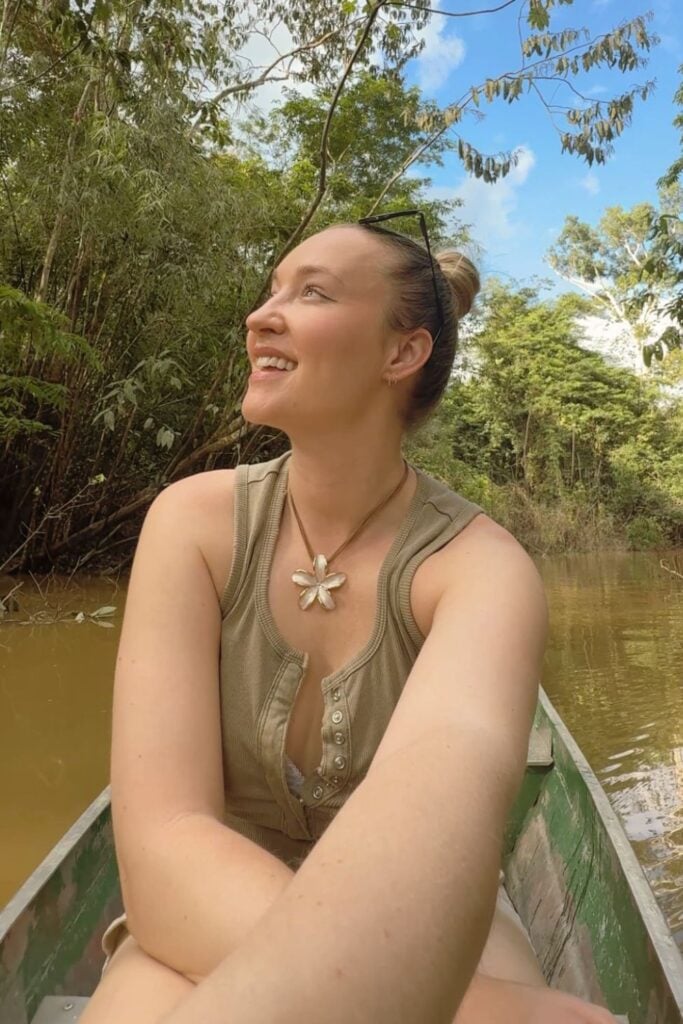
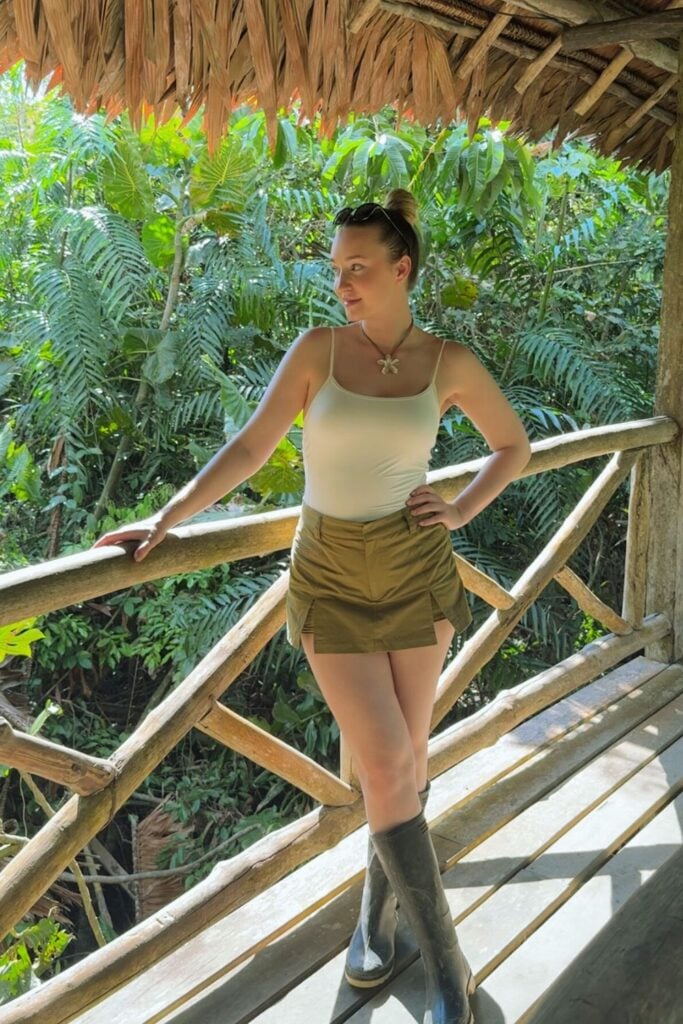
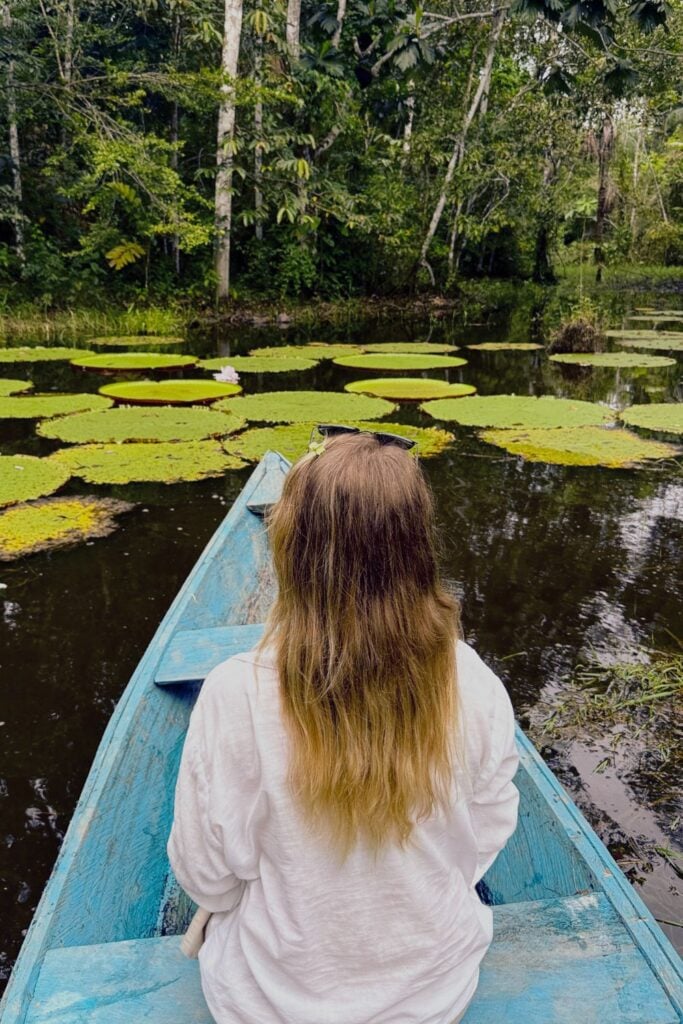
There are a few different entry points to the Amazon Jungle in Peru, but the two most popular are from Iquitos in the North and Puerto Maldonado in the South. I personally went to Iquitos and had the most incredible time, and I’m hoping to tick off Puerto Maldonado with my parents when they come to visit me soon, so I’m sure I will report back with a blog post at some point about how that was!
Here’s the Amazon Peru packing list you need:
- Long, lightweight clothing for bugs
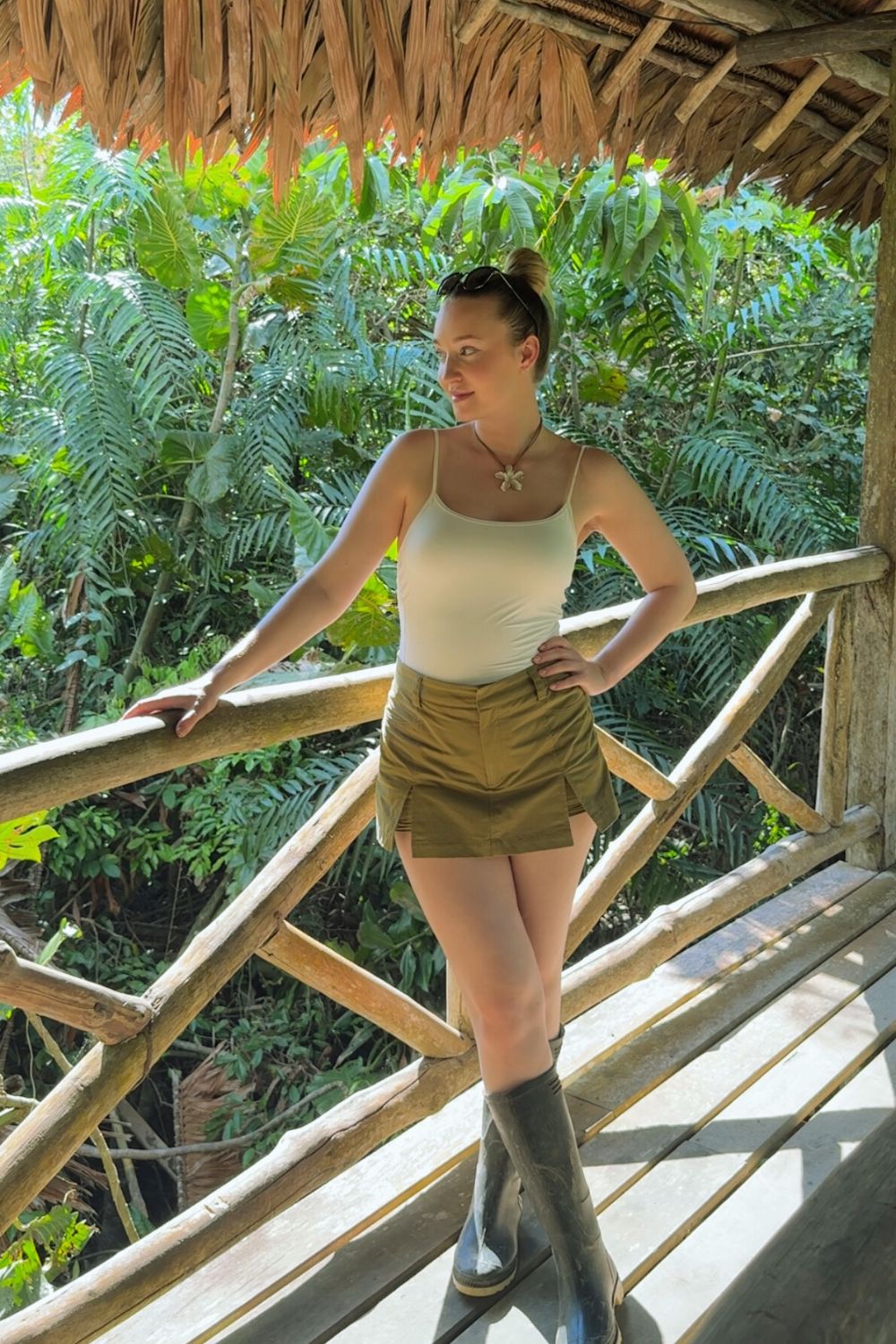
- Shorts/Skorts: only if you don’t tend to get bitten like me, because it is HOT
- Short-sleeved tops: as per above!
- DEET or picaridin insect repellent: I bought mine in Iquitos for cheap
- Motion Sick tablets: If you’re like me and get motion sickness, then you might want to pick some of these up because you’ll be doing lots of boat rides.
- Waterproof shoes and quick-dry sandals: so essential as the Amazon is boggy! You could also just use your hiking boots.
- Poncho/rain jacket
- Flashlight/headlamp
- Dry bags
- Binoculars
- Swimwear
- Sleeping bag liner: (but only for some lodges – mine wasn’t that basic and had proper beds etc)
- Day pack: most Amazon tours are just a few days, so you’ll want to take a bag that’s small, yet big enough to fit a few days’ worth of clothes in. I was only taking a short trip from Lima, but others in my group were backpacking, so they had bigger bags they were allowed to leave them with the tour company’s office.
Packing For The Coast (Lima, Paracas, Mancora)


I spend most of my time being a digital nomad in Peru – specifically in Lima, so I’m used to being on the coast.
The hottest times of the year in Lima are between December and around mid-April – although it’s worth noting that when the sun is out, it’s pretty hot regardless of the time of year. If it’s cloudy, it’s jumper weather and July through to September, coat weather. Maybe even a scarf and hat.
Mancora and Paracas in Peru get decent weather regardless of the time of year.
Here’s your Mancora, Paracas and Lima packing list for Peru:
- Light layers
- Windbreaker: (for coastal breeze)
- Beachwear
- UV protection
- Flip flops or sandals: both for the beach areas and Lima as you can surf or paddle board here
- Evening layers for cool nights
- Hat & Scarf: if you’re heading to Lima between July and September, then you might want to pack these as extra – although if you’re heading to Machu Picchu, then these should already be on your list anyway!
Read more: One Day in Lima: The Perfect 24 Hour Itinerary From A Local
Packing For Huacachina (The Peruvian Desert)
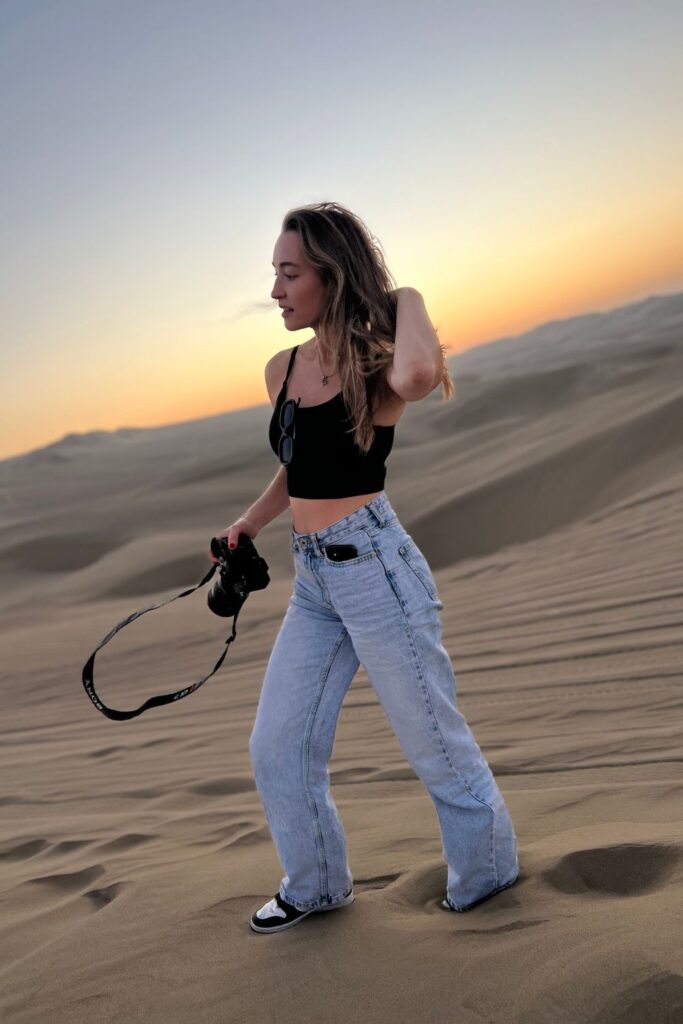

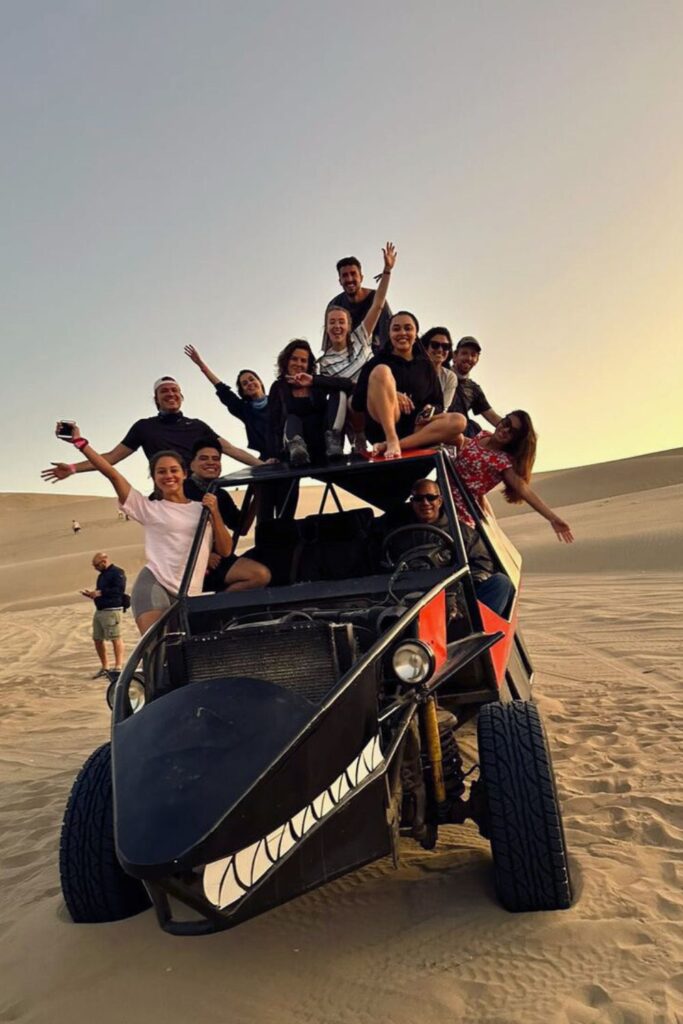
Huacahina – The Peruvian Desert, is one of the most fun places in Peru, and I had the best time sandboarding and sand dune buggying there. I also got to see some of the most amazing sunsets of my life.
However, you definitely need to come prepared for the desert, so here are some extra bits you’ll need to pack for Huacachina in Peru.
- Closed-toe shoes: yes they’re going to get sandy but it won’t ruin them and you’ll find it 1000 times easier to walk across the sand to reach the starting point for the activities.
- Buff or bandana: trust me when I say this is important if you don’t want a face full of sand when you’re on the sand dune buggies.
- Sunglasses: I already put this in the general packing list but I want to highlight them again so you don’t forget to bring them during your excursions because whats worse than sand in your face? sand in your eyes.
What NOT to Pack
Alright, we’ve covered alot of things on this packing list for Peru, but what about what not to pack for Peru?
Well, here’s what I wouldn’t recommend (as someone who did personally bring some of this stuff and regretted it).
- Heavy winter coats
- High heels
- Too many jeans
- Full toiletries (expensive luggage weight)
- Single-use plastic
- Hair straighteners or curlers
- Laptop or other uneccessary expensive items
FAQ
Do I need yellow fever for Peru?
If you stay in Lima or go to typical tourist zones like Cusco / Machu Picchu, you don’t need it. If you’ll visit the jungle or Amazon areas, then you might not need it but it’s worth checking with your tour provider or hotel. However, even if they say no, it is highly advisable.
What should I wear to Machu Picchu?
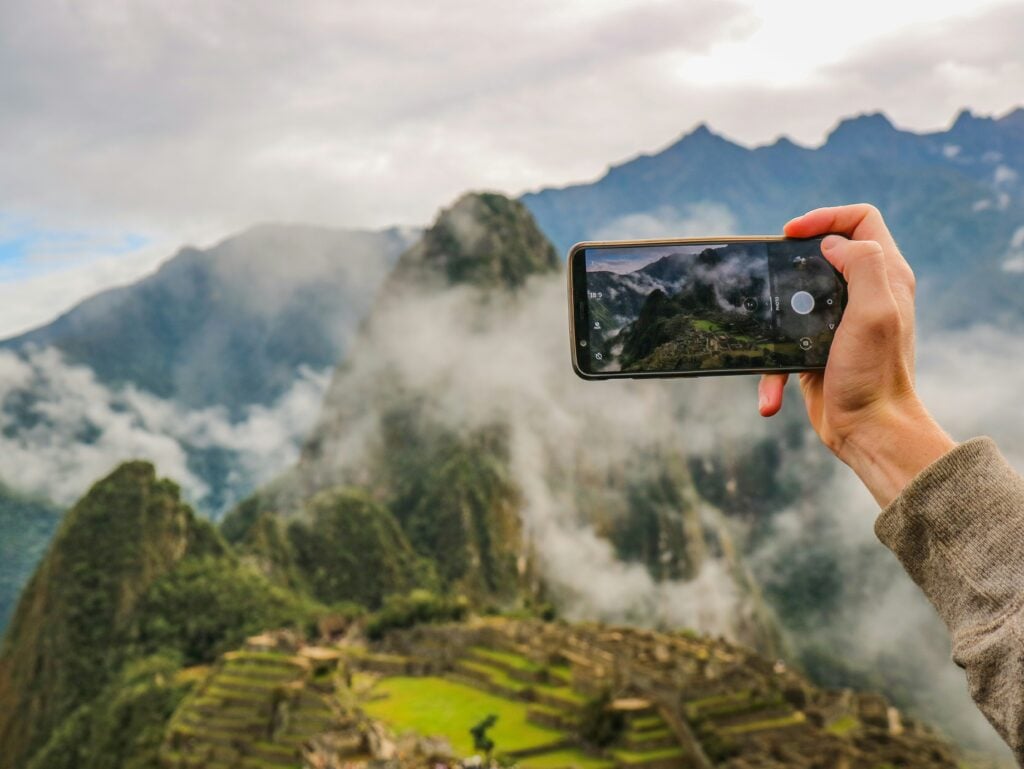
For Machu Picchu, I would recommend that you wear lightweight, breathable layers because the weather changes constantly – think a T-shirt or tank, a light long-sleeve UV layer, a thin fleece or hoodie for the cold morning, and a packable rain jacket for sudden showers!
I would pair this with comfortable leggings or quick-dry hiking trousers (avoid jeans), and supportive trainers or hiking boots, since the stone steps can be slippery.
Sun protection is absolutely essential due to the strong UV at altitude, so bring a hat, sunglasses, SPF 50, and lip balm. I got super burnt when I visited Machu Picchu – even with sun cream on, so I obviously wasn’t applying enough!
Carry a small daypack under 20L with water, a rain layer, bug spray, and your camera or phone. In dry season (May–Sept), mornings are chilly but afternoons are sunny, while in wet season (Oct–April), expect more rain and mosquitoes, so quick-dry clothes and long sleeves help!
Can you buy toiletries easily in Peru?
Yes you can easily buy things like toiletries in Peru from places like MiFarma or Inkafarma. There isn’t much you can’t get in Peru – especially in the bigger cities like Lima and Cusco.
Is Peru safe to travel solo?
I wrote a whole guide on solo travel in Peru that covers safety, but the short answer is yes, but be cautious and always have SafetyWing Nomad Insurance (that’s not just for nomads).
What plug do they use in Peru?
The common plug types are Type A (two flat parallel pins) and sometimes Type C (two round pins).
Final Thoughts

That’s a wrap on my Peru packing list. Remember, Peru has multiple climates, so if you’re travelling from one side of the country to the other, then you can’t really pack too light, unfortunately. Having travelled around Peru for many years now, I really don’t think there’s anything more that you need to bring, but if you forget something, then you can buy it in Lima and many of the other cities too.
Have the best time on your trip to Peru and feel free to reach out or drop a comment below if you have any other questions!
Millie / Stay Wild Travels