
This page contains affiliate links, which help keep this blog free at no extra cost to you. Read my disclosure.


After months of exploring South America, I eventually ended up settling in Peru, and Lima is now home. I first solo travelled around Peru back in 2022, and these guides come from that trip and from living here as a digital nomad since.
Peru is a country that is so diverse. In one trip you can wander the clifftop parks of Lima, sandboard the dunes at the Huacachina oasis, spot sea lions off the Paracas coast and hike to turquoise lakes like Laguna 69 in the mountains above Huaraz.
I live in Barranco, Lima’s bohemian neighbourhood, so a lot of these guides are written from a local’s point of view. The rest come from the month I spent solo travelling around the country, mistakes and all.
Peru At A Glance
| Best time to visit | May to September is the dry season in the Andes, with the clearest weather for Machu Picchu and hiking. April and October are a good middle ground with fewer people, and November to March is rainy but greener and cheaper. |
| How long you need | 10 days for Lima, the coast, Cusco and the Inca Trail. 3 weeks if you want to slow down and see more. |
| Getting around | LATAM for flights between regions, and Cruz del Sur for long-distance buses. |
| Altitude | Cusco sits at around 3,400m and Huaraz at over 3,000m, so build in time to acclimatise. |
| Where to stay in Lima | Miraflores for first-timers, or Barranco for a more bohemian feel. |
| Currency | Peruvian sol. Carry small notes, as taxi drivers often won’t have change. |
| What to pack | Layers. Andes mornings are chilly and afternoons are sunny, and you’ll want a rain layer from October to April. |
Plan your Peru trip:
🏜️ 2-day Paracas and Huacachina tour
🚆 Machu Picchu day trip by train
Map Of Places To Visit In Peru
Every place on this page is pinned below. Tap a pin for a quick tip.
Start Here: Peru Itineraries
If you’re planning the whole trip, start with one of my itineraries. They show you how to fit it all together, with honest tips on what’s worth your time.
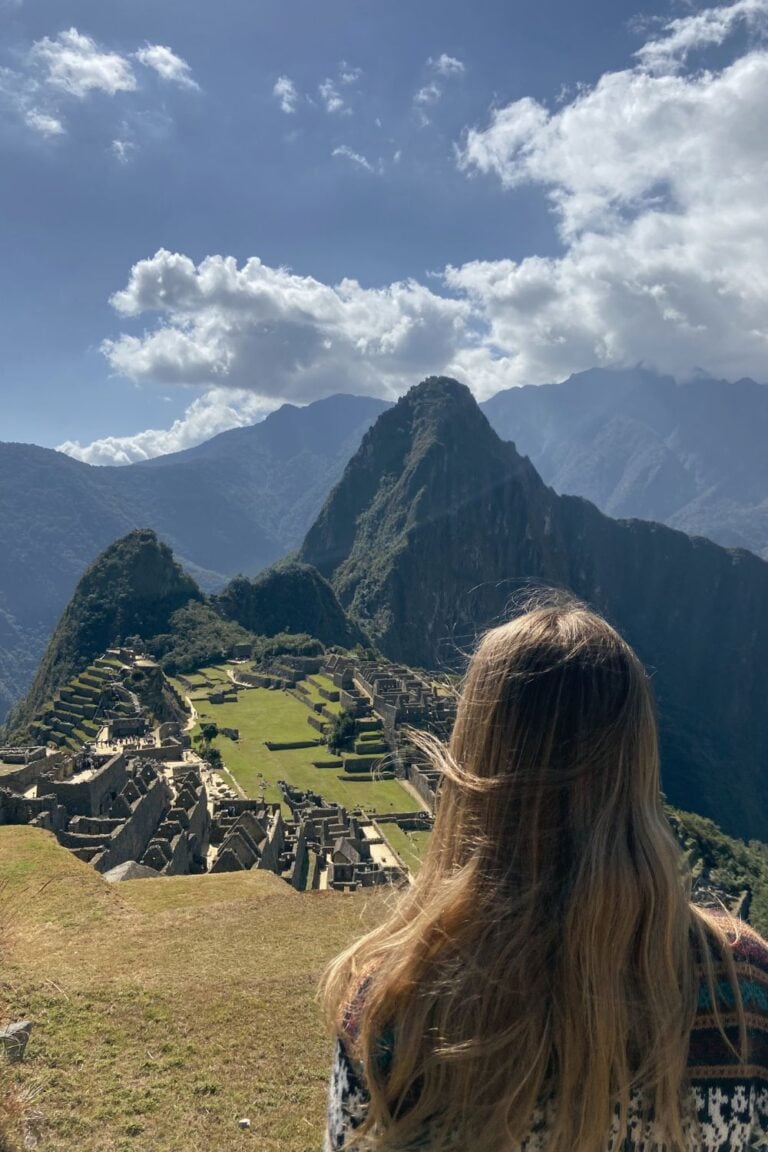
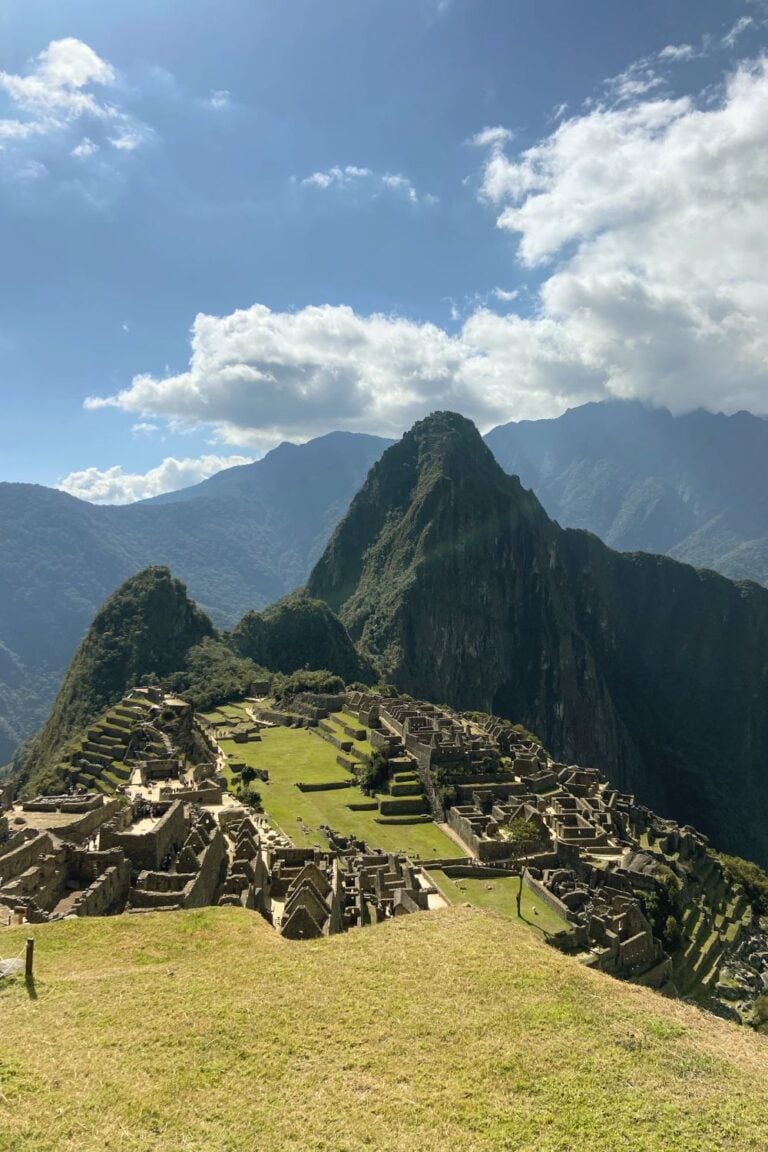
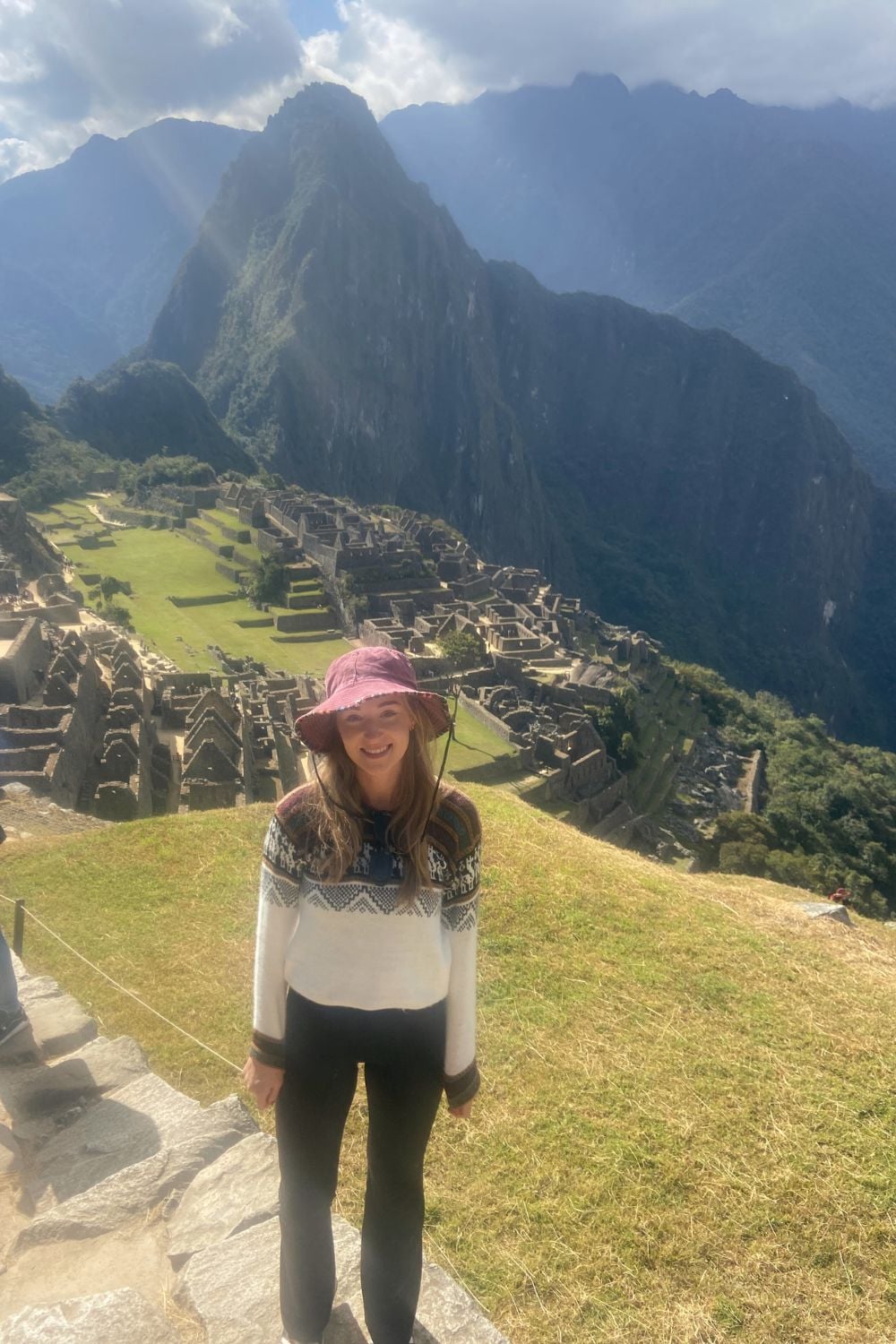
My 10-day Peru itinerary is the one I’d send most people. It starts with two days in Lima, heads down the coast to Paracas and Huacachina, then flies you to Cusco and the Sacred Valley before four days on the Inca Trail to Machu Picchu, with alternatives if the trek isn’t for you.
If you’ve got longer, my 3-week Peru itinerary slows things down and includes a breakdown of what three weeks in Peru costs.
Planning Your Trip To Peru
What to pack, what solo travel here is really like, and what it’s like to live and work in Peru.


My guide to solo travel in Peru covers the honest side of safety, how to get around and the best places for solo travellers, from Cusco to Arequipa and Iquitos. I’ve had my phone stolen in Barranco, so I don’t sugar-coat it.
My Peru packing list breaks down what to bring for the Andes, the Amazon, the coast and the desert. And if you’re thinking about staying longer, my Peru digital nomad guide covers visas, costs and the best cities to live and work in.
Lima
Lima is so much more than a stopover on the way to Cusco. It’s one of the best food cities in the world, and these are my guides to the city I live in.
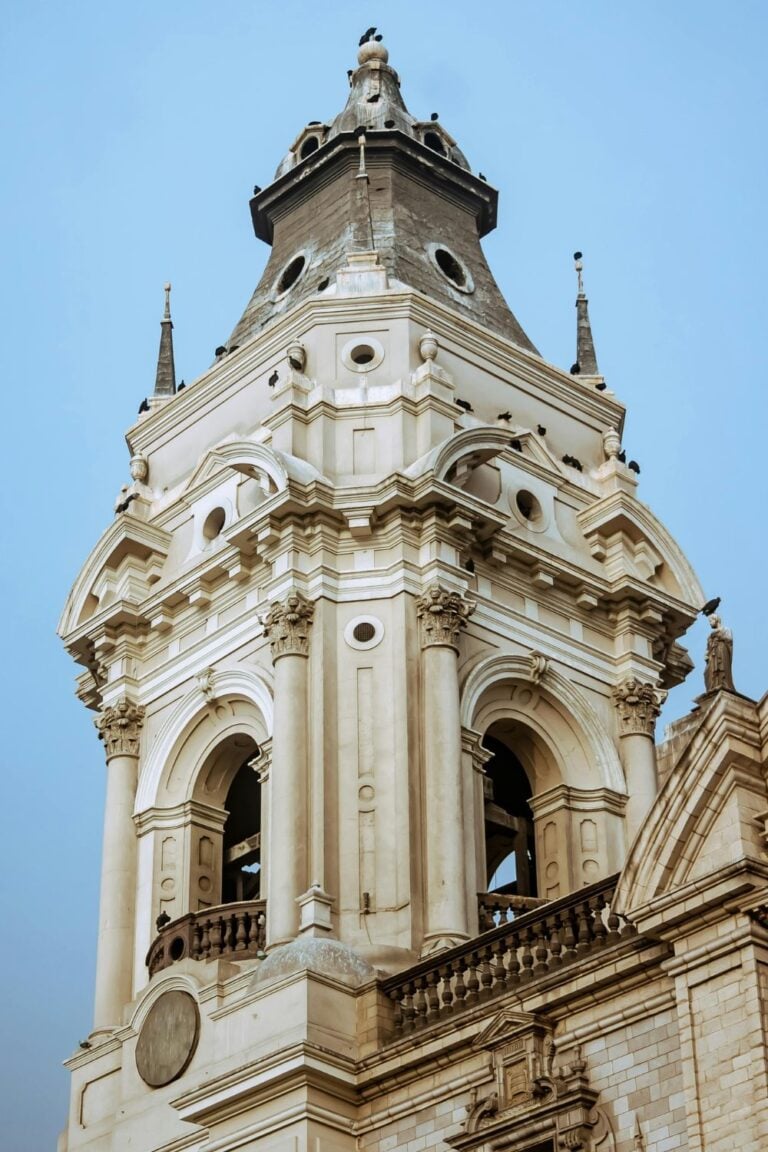

Short on time? My one day in Lima itinerary takes you from Miraflores and Barranco to the historic centre and the Magic Water Circuit, written from a local’s point of view.
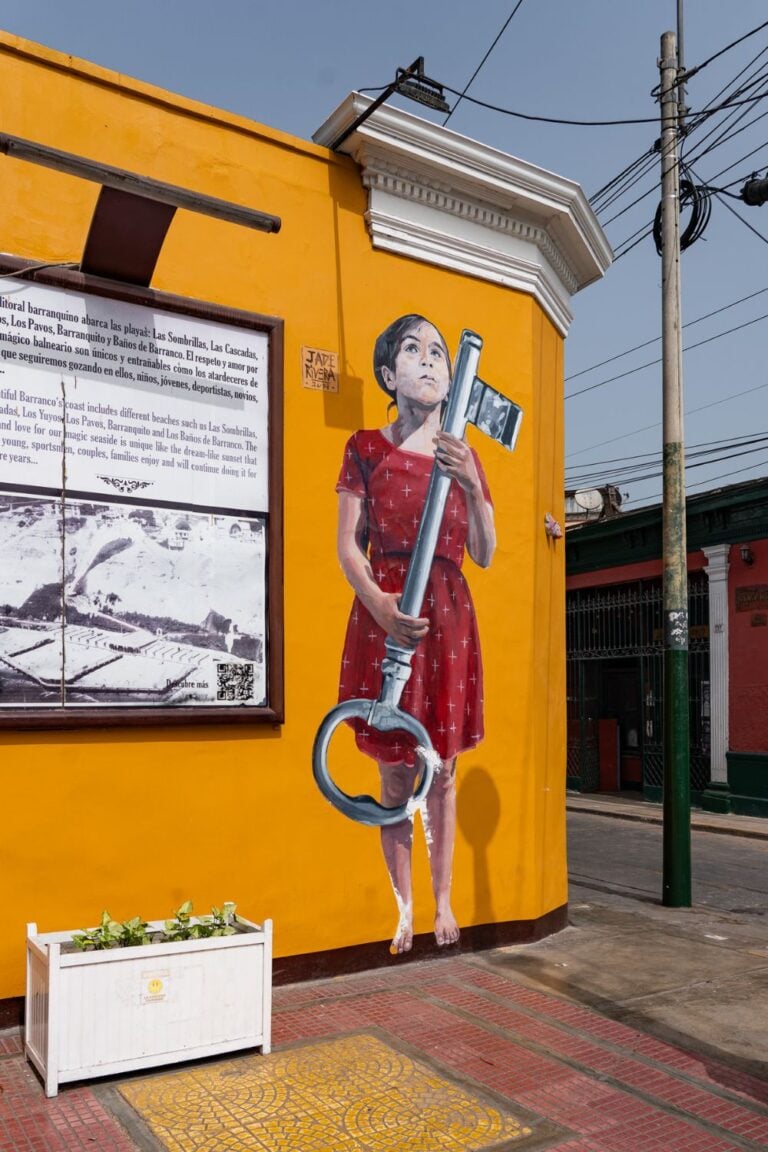
My Miraflores guide covers the clifftop Malecón, restaurants at every budget and the best co-working spaces. And my Barranco guide covers the Bridge of Sighs, the street art, the beach and the best churros in Lima. Barranco is where I live, and I love it.
Paracas And Huacachina
Heading down the coast? These two are an easy pairing south of Lima.
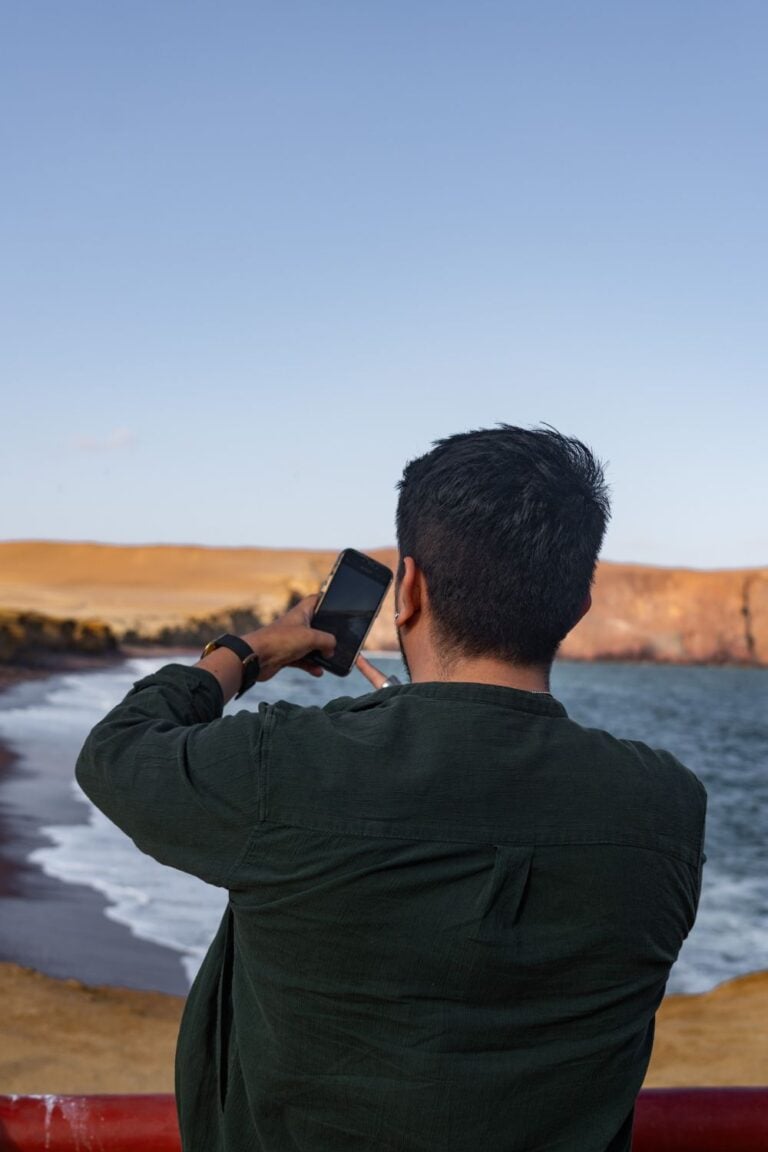

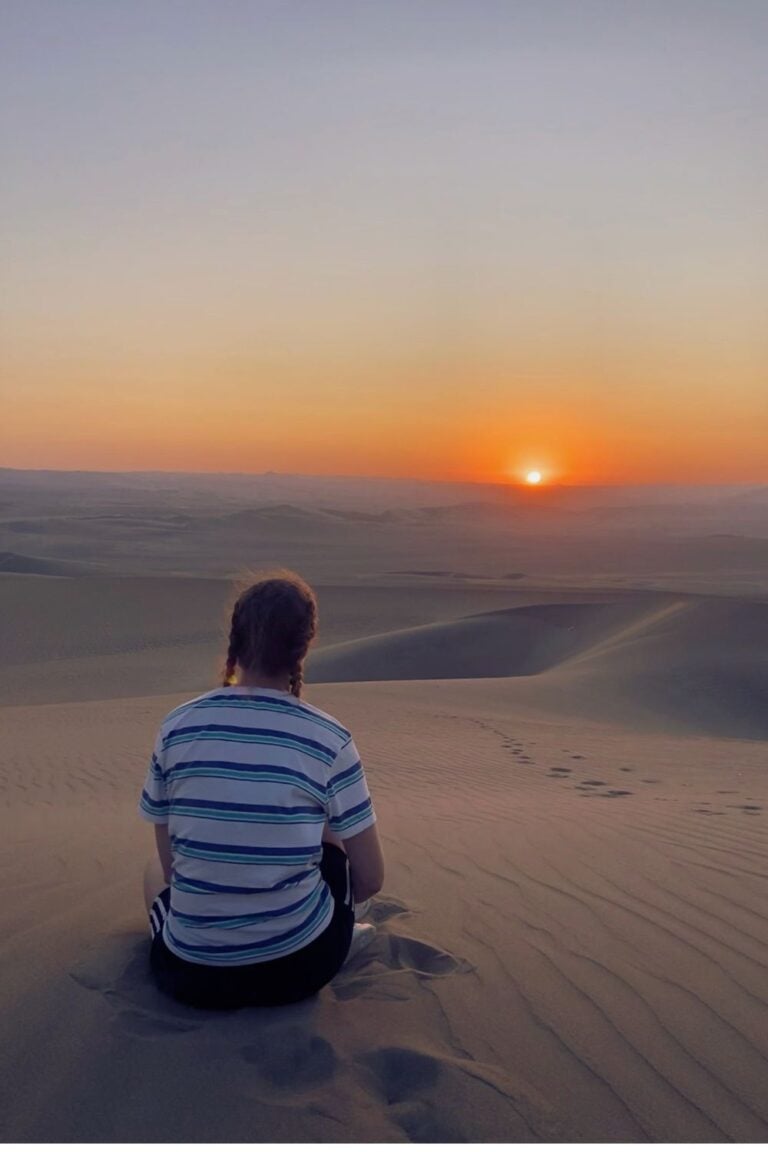
My Paracas guide covers the boat trip to the Ballestas Islands, Paracas National Park and the Golden Shadows trek. My Huacachina guide covers sandboarding, sand buggies and sunset over the dunes at this desert oasis near Ica. They’re easy to combine, which is exactly what my 10-day itinerary does.
Huaraz And The Cordillera Blanca
Huaraz is Peru’s hiking capital and sits at over 3,000 metres, so build in time to acclimatise before the bigger hikes.
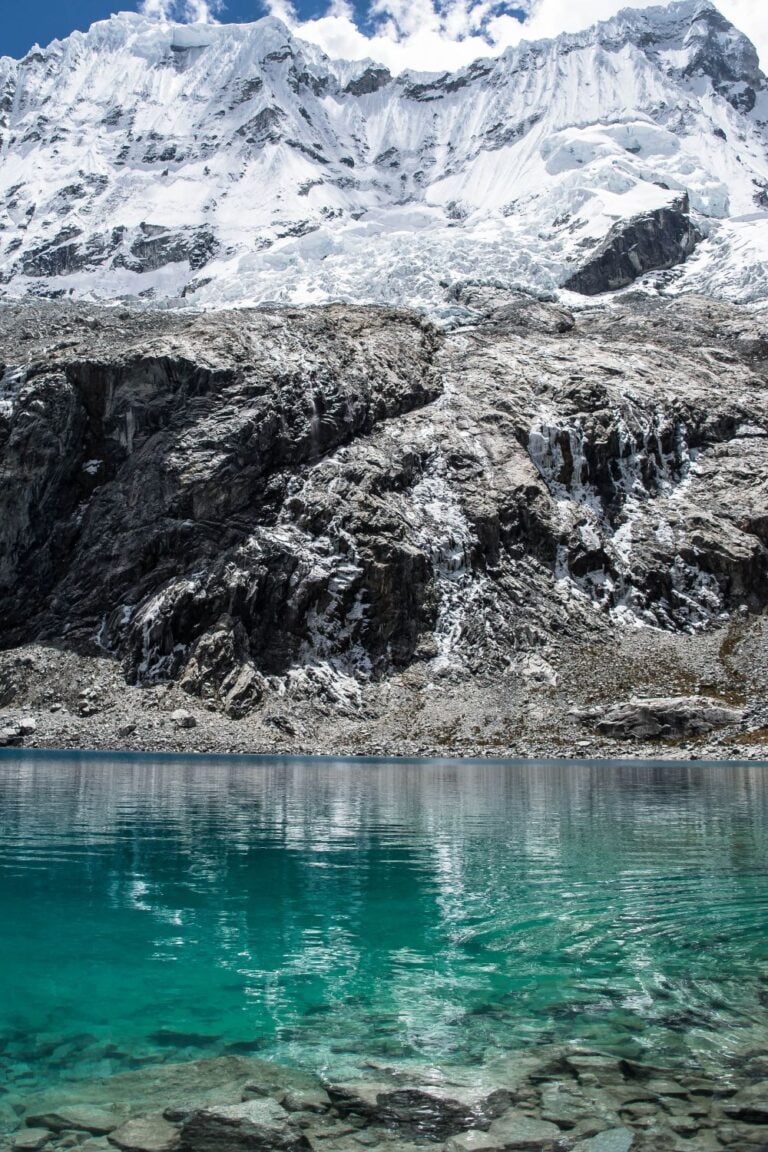

Start with my guide to the 14 best lagunas in Huaraz. Laguna 69 is the big one, and my guide explains whether to go with a tour or hike it independently.
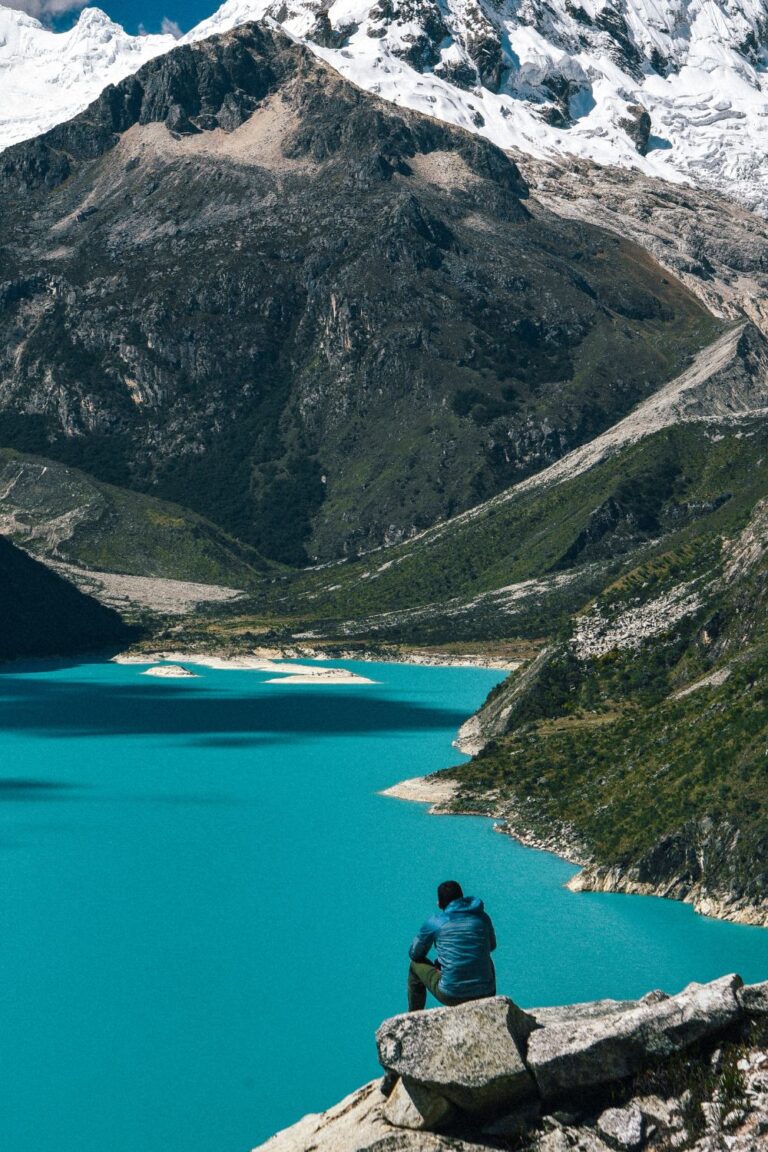
For something gentler, Laguna Parón is more of an acclimatisation walk with a stunning lake at the end, and I think it’s Peru’s best laguna.
Other Places To Visit In Peru
I haven’t written full guides to these yet, but they’re a big part of most Peru trips, so here’s what I’d tell a friend.
Cusco, The Sacred Valley And Machu Picchu
If Machu Picchu is on your list, you’ll stop in Cusco first. It’s where you fly or bus into, and you’ll need a few days there to acclimatise to the altitude anyway.
Around the Plaza de Armas you’ll be fine, although I did naively get kind of scammed by a lady with a llama who tricked me into having a photo with it, then told me I needed to pay. San Blas is a safe area too, but it has lots of tiny alleyways I’d avoid wandering down alone at night.
There are loads of tours from Cusco where you can meet other travellers. My personal favourite, besides Machu Picchu itself, was quad biking through the Sacred Valley. My 10-day Peru itinerary covers Cusco, the Sacred Valley and the Inca Trail day by day.
Arequipa And The Colca Canyon
Arequipa is a surprisingly big city, but also one of the safest in Peru. I’ve never had a bad experience there, so I’d feel confident telling you there’s nothing to worry about beyond petty theft and the usual tourist traps.
The Colca Canyon hike is the big attraction in the area. When I visited, I was all hiked out, so I didn’t book a trip, and it’s firmly on my list for next time.
The Amazon
Iquitos in the north and Puerto Maldonado near Cusco are the two main gateways to the Peruvian Amazon, and you can book jungle tours from Iquitos or from Puerto Maldonado. It’s hot, humid and full of mosquitoes, and my Peru packing list has a whole section on what to bring.
How Much Does A Trip To Peru Cost?
It depends a lot on your travel style, but these are the rough daily costs I share in my 3-week Peru itinerary.
| Accommodation (per night) | Budget £10–£15, mid-range £30–£50, luxury £100–£350 |
| Food (per meal) | Budget £5–£7, mid-range £10–£15, luxury £30+ |
| Getting around | £1–£2 for local buses, £10–£25 for long-distance buses, £20–£50 for taxis or private transfers |
| 3 weeks in total | Budget £800–£1,200, mid-range £1,300–£1,800, luxury £3,000+ |
For the best prices without compromising too much on the weather, go in the shoulder season (April or October).
Getting To Peru And Getting Around
Most international flights land at Jorge Chávez International Airport in Lima, the only airport in the city. Getting to Miraflores takes 30 minutes to an hour depending on traffic, and the Airport Express Lima bus runs straight there, with a few stops around the neighbourhood.
For long distances, I’d fly with LATAM rather than the budget airlines. I’ve been there and done it with the cheaper ones, and it’s not enjoyable. For long-distance buses, I recommend Cruz del Sur. In Lima, I use Uber rather than hailing taxis on the street.
Good To Know Before You Go
| Language | Spanish. I find Peruvian Spanish a lot easier to understand than in Chile, northern Colombia or even Mexico, but fewer people speak English here, so a few basic phrases go a long way. |
| Money | The Peruvian sol. You’ll see US dollars around, but you can’t pay with them in supermarkets and restaurants. |
| Safety | Stick to the tourist areas and you’ll more than likely be fine. Living in Lima, I honestly feel safer here than I did living in London. |
| Insurance | Get travel medical insurance. I use SafetyWing and have claimed with them multiple times without any issues. |
My Top Tips For Travelling In Peru
Give Yourself Time To Acclimatise
Don’t make the mistake I did on my first visit. My first time in Cusco was rough: I arrived and went straight to bed in the middle of the day. Plan an easy first day at altitude and save the big hikes for later in your trip.
Stay In The Right Areas
Most travellers base themselves in Miraflores, Barranco or San Isidro in Lima, which feel like a bubble away from the crime you hear about. Crime still happens there though. I had my phone stolen in Barranco while walking down the street with it in my hand, so keep valuables out of sight. Luckily, it was covered by my SafetyWing insurance.
Carry Small Change
I once had a taxi driver refuse to give me any change for a 100 soles note, so always carry smaller notes and coins.
Peru Travel FAQs
When is the best time to visit Peru?
May to September is the dry season in the Andes, with the best weather for Machu Picchu and trekking, but it’s busier and pricier. April and October have good weather with occasional rain and fewer people. November to March is the rainy season, but it’s greener and more budget-friendly.
How many days do you need in Peru?
Around 10 days is enough for Lima, Paracas, Huacachina, Cusco and Machu Picchu. With 3 weeks, you can travel at a slower pace and see more of the country.
Is Peru safe for solo travellers?
For most travellers, yes. Stick to areas like Miraflores, Barranco and San Isidro in Lima, use Uber rather than hailing taxis, and keep your phone out of sight on the street.
How much does a trip to Peru cost?
Roughly £800 to £1,200 for three weeks on a budget, £1,300 to £1,800 mid-range, and £3,000 or more for luxury, not including international flights.
Do people speak English in Peru?
Some do in tourist areas, but fewer than in many countries. Peru’s Spanish is fairly clear and easy to follow, so learning a few basic phrases really helps.
Where should I stay in Lima?
Miraflores is the most popular area for first-timers, with the clifftop Malecón and lots of restaurants. Barranco is more bohemian, with street art and a great food scene, and it’s where I live.