
This page contains affiliate links, which help keep this blog free at no extra cost to you. Read my disclosure.


Switzerland is potentially my favourite country in Europe, and I have spent months here over the years. It has some of the most incredible hikes, pristine lakes and charming villages dotted all around. It honestly looks like a filter has been placed over the top of it because the colours are so vibrant.
I’ve visited a number of times, and on my last trip I spent almost a whole month here, mostly around Interlaken. My guides focus on the hikes and places I’ve loved most, with honest notes on trail difficulty, transport and how to keep costs down in one of the most expensive countries in Europe.
Switzerland At A Glance
| Best time to visit | June to September for hiking, when the trails are clear of snow (July and August are busiest). December to March for snow, sledging and cosy winter trips. |
| Best base | Interlaken, between Lake Thun and Lake Brienz, with the Jungfrau region on the doorstep. |
| How long you need | At least 3 days in Interlaken, but ideally 5 to 7. |
| Getting there | Fly into Zurich or Geneva, then take the train. |
| Getting around | Trains, buses and boats are excellent but expensive, so look at a travel pass. |
| Currency | Swiss franc (CHF). |
| Weather | Changeable in the mountains. We had over 30 degrees one day and severe thunderstorms the next. |
Plan your Switzerland trip:
Map Of Places To Visit In Switzerland
Every place on this page is pinned below. Tap a pin for a quick tip.
Start Here: Interlaken
Interlaken is the easiest base for a first trip, with lakes on both sides and the Jungfrau region on the doorstep.

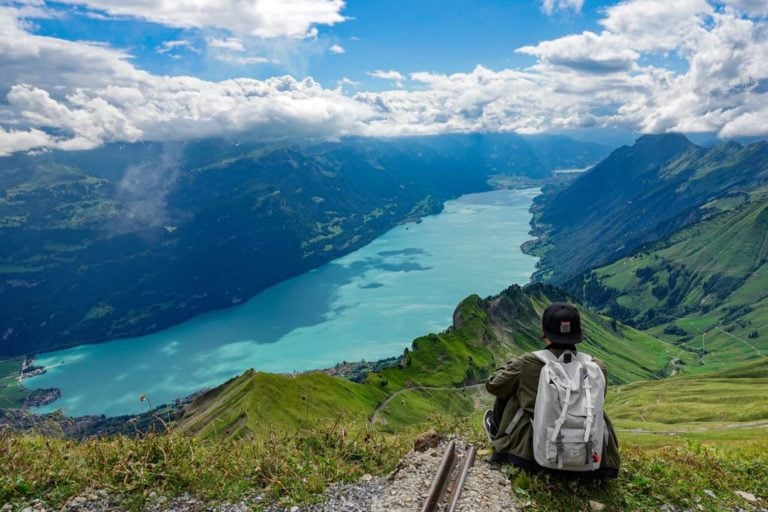
My 3-day Interlaken itinerary squeezes the highlights of almost a month in the area into three days, with how to get there, how to get around and how to save money. It includes paragliding over the twin lakes, which is one of the most amazing experiences I’ve had.
If you want more adrenaline, Adventures in Interlaken covers more of the activities the town is famous for.
Interlaken, Lauterbrunnen And Iseltwald
The villages and valleys around Interlaken, including my guides to visiting in winter.
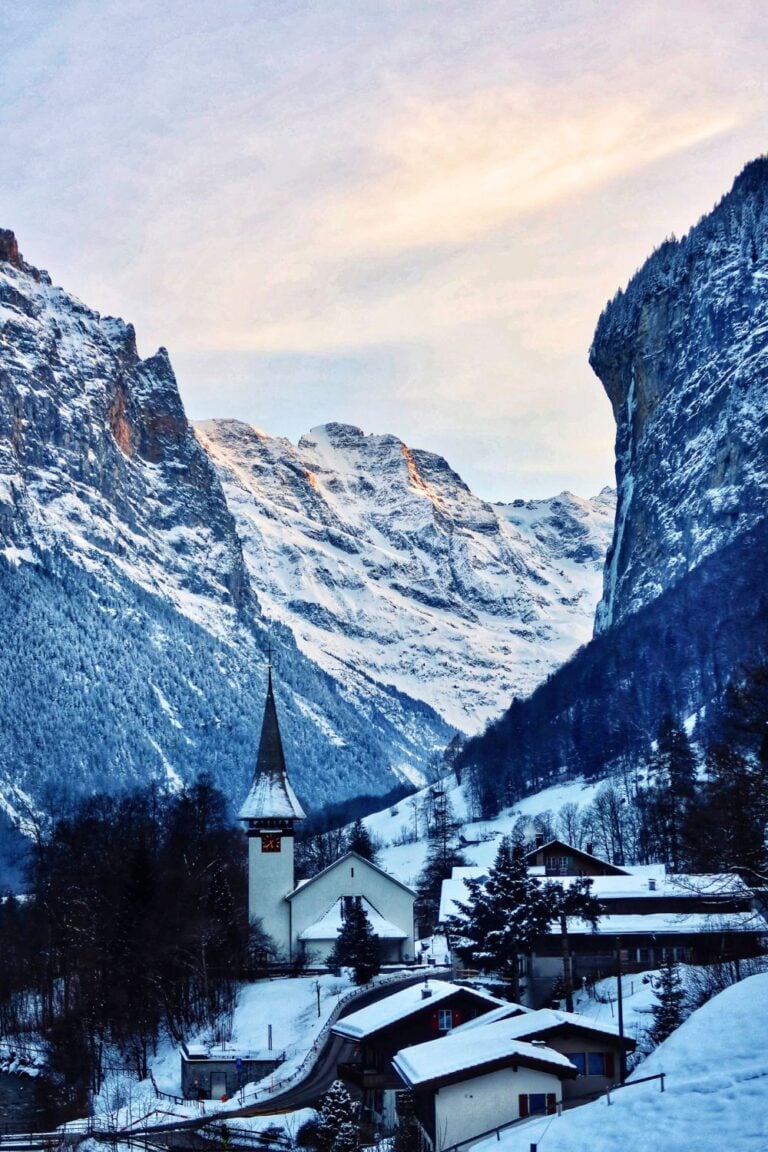

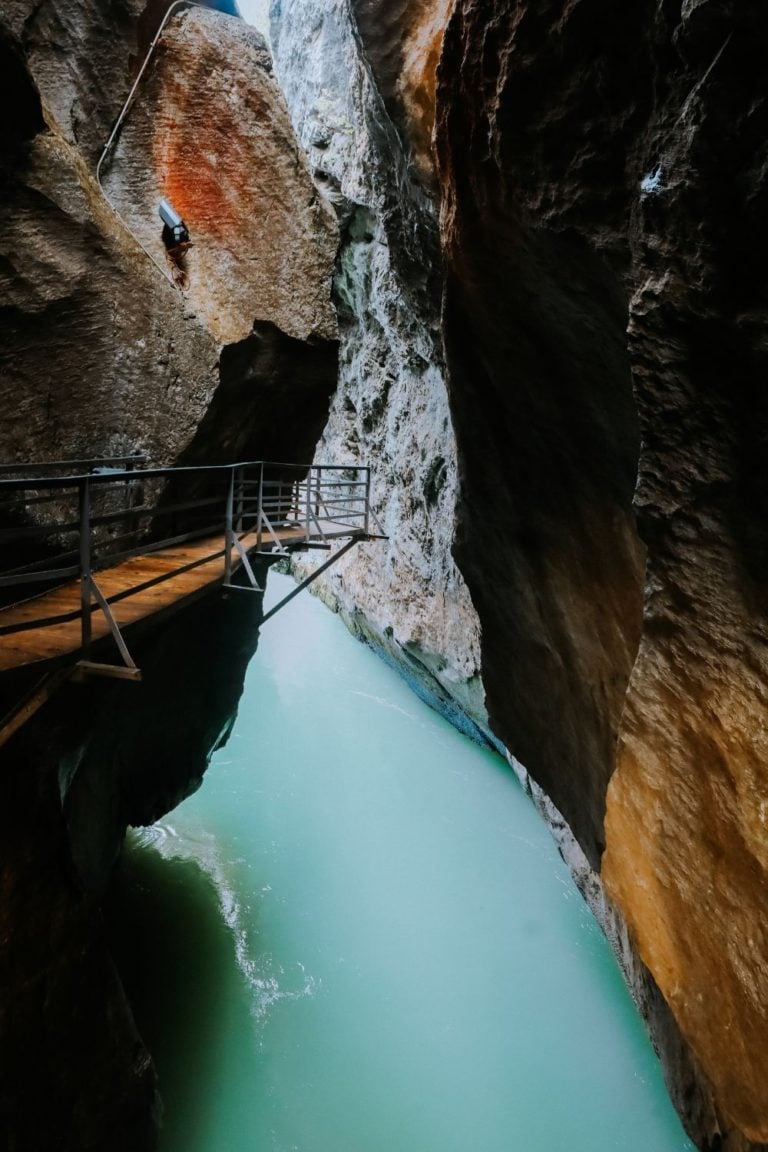
Visiting in the colder months? My Interlaken in winter guide covers ice skating, sledging and day trips. When we visited, we skated at Ice Magic on the Höhematte, a huge rink with mountain views. Lauterbrunnen in winter covers the valley, with a month-by-month look at what to expect.
Iseltwald is one of my all-time favourite places in Switzerland because it’s just so cute. I visited quite a few times and swam in the lake in July, which was a refreshing break from the heatwave. And Hiking in Interlaken rounds up my favourite trails from almost a month exploring the area.
Hikes In The Bernese Oberland
From dramatic ridge walks to gentler valley days.
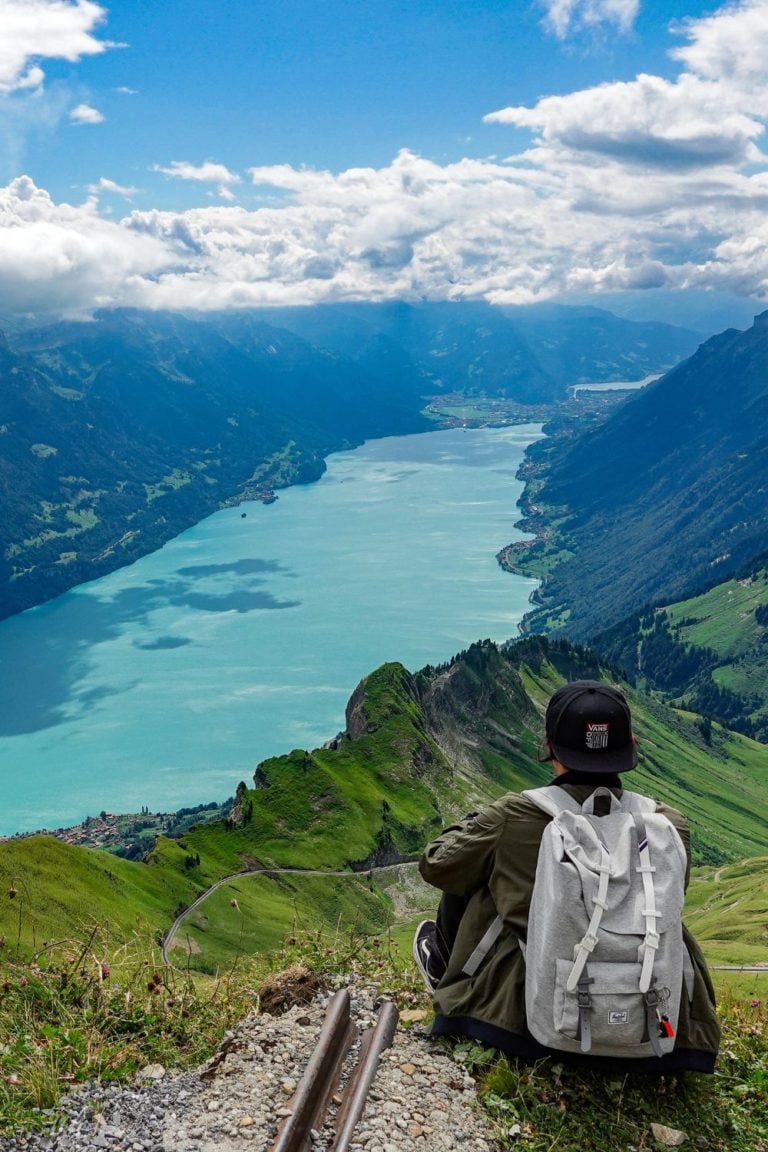
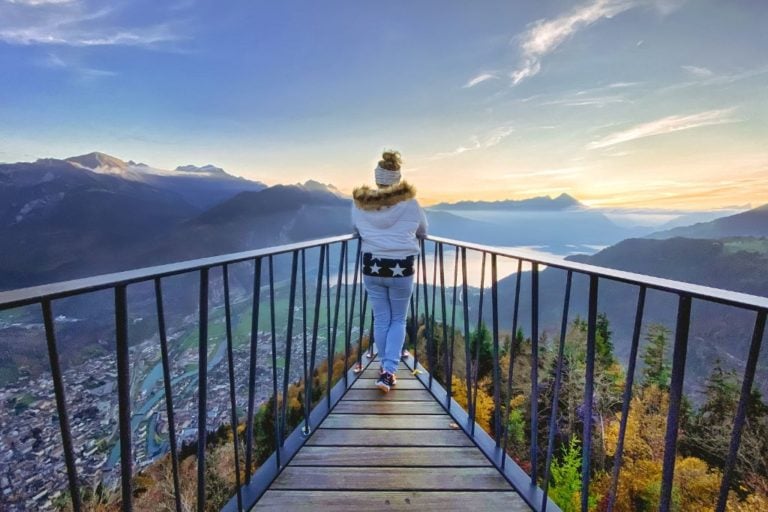
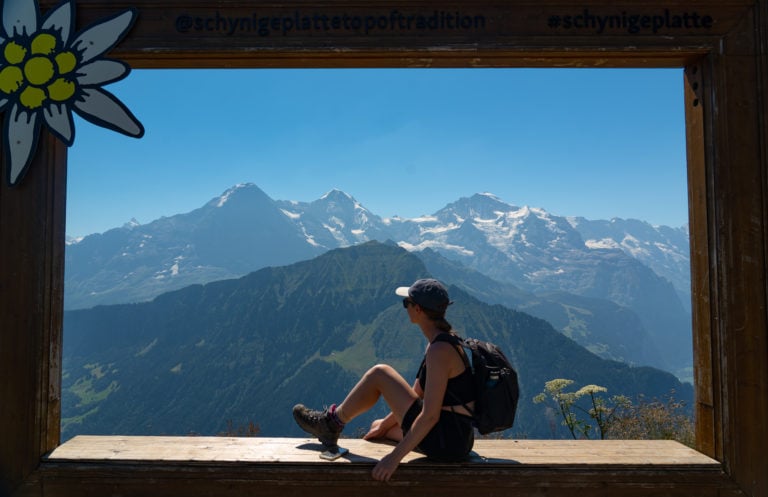
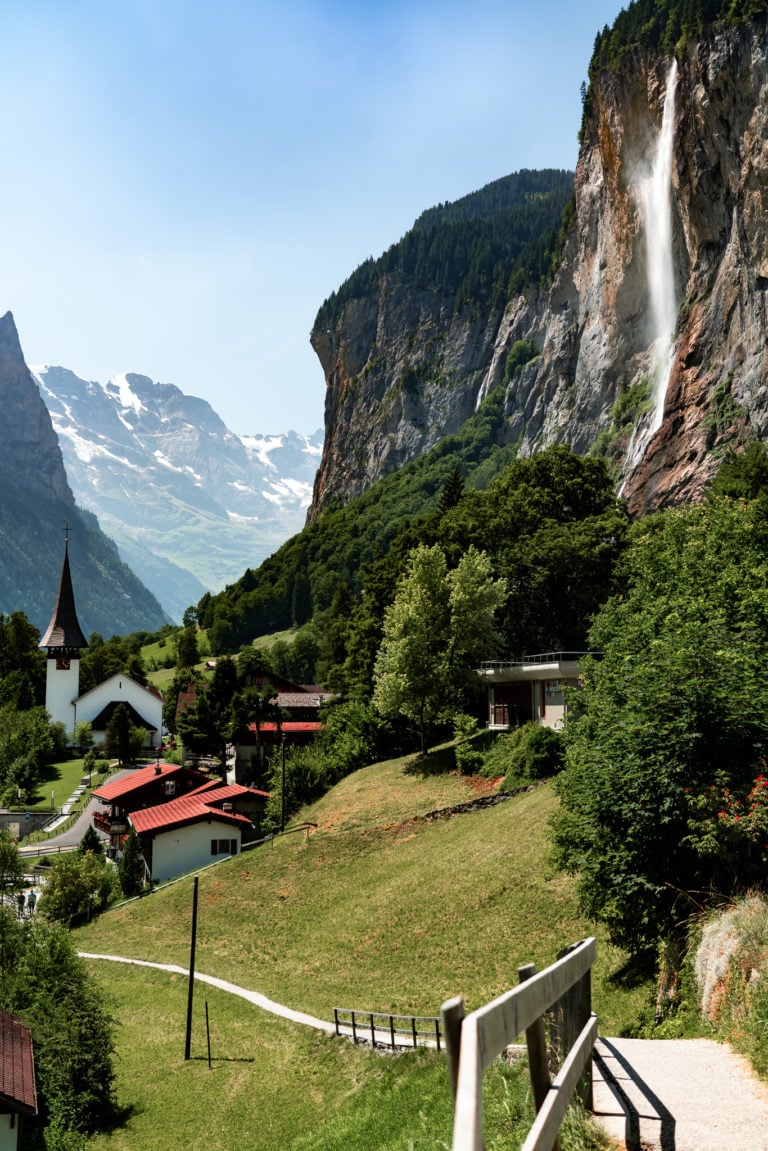
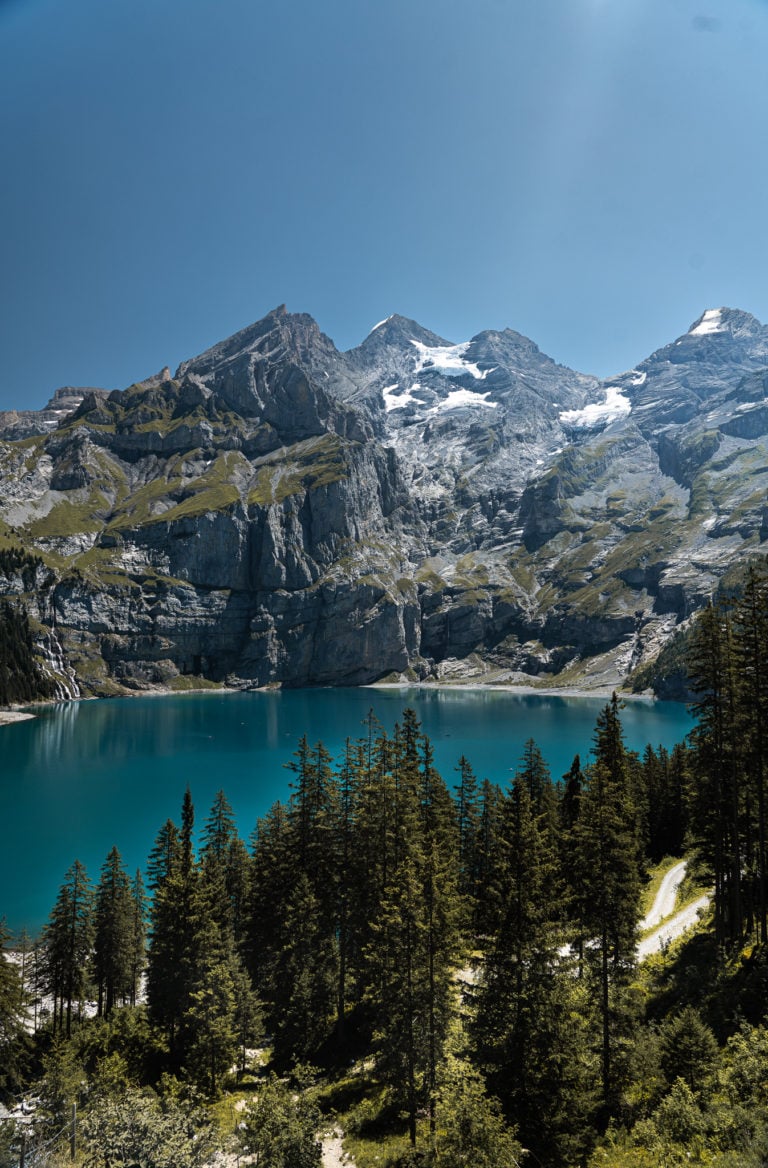
The Augstmatthorn hike is a properly dramatic ridge walk. We only really stopped a few times in the last kilometre to catch our breath, but I’d budget around 7 hours if you want to take it slowly and soak up the views.
Harder Kulm is the viewpoint right above Interlaken, and my Schynige Platte guide covers the mountain railway and the ridge trail. For something gentler, the Lauterbrunnen waterfalls hike stays in the valley, and Oeschinensee is a panoramic circular lake hike. We visited in mid-July when it was over 30 degrees, then had severe thunderstorms the next day. We did the full 15km loop without the cable car, and a herd of cows by the lake made for some great photos.
Hikes In Appenzell
Three classic routes in the Alpstein, in north-east Switzerland.
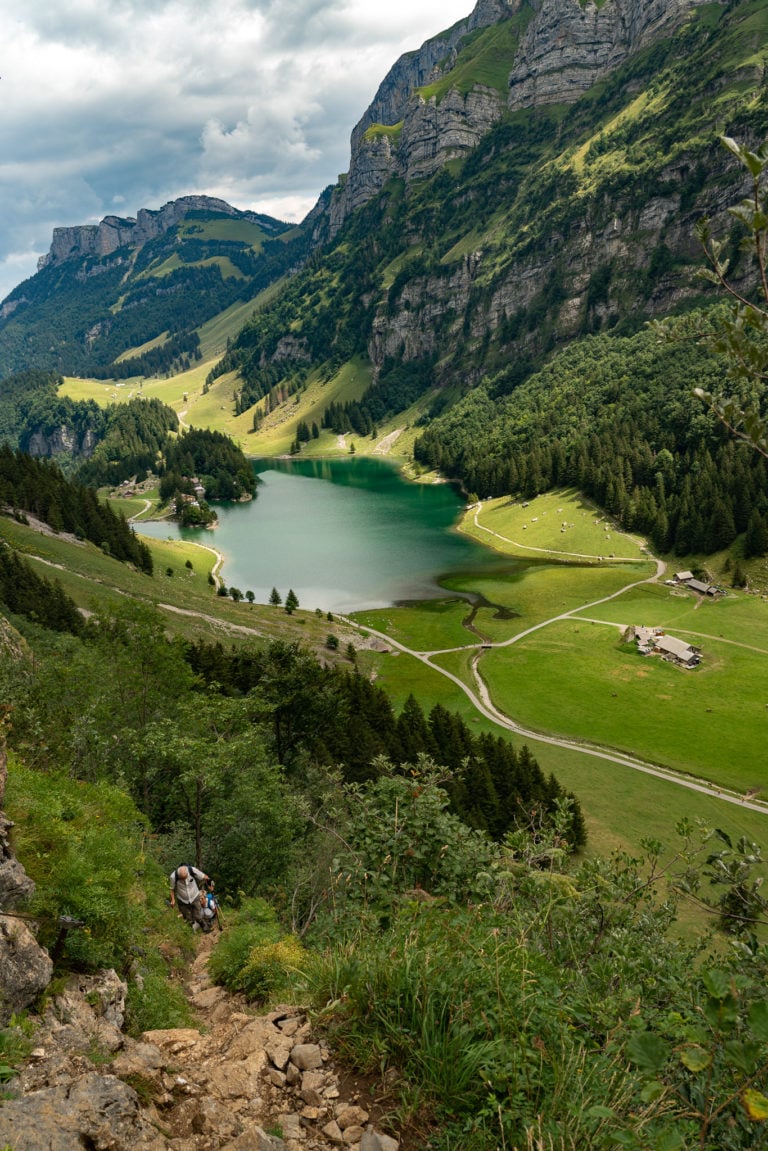
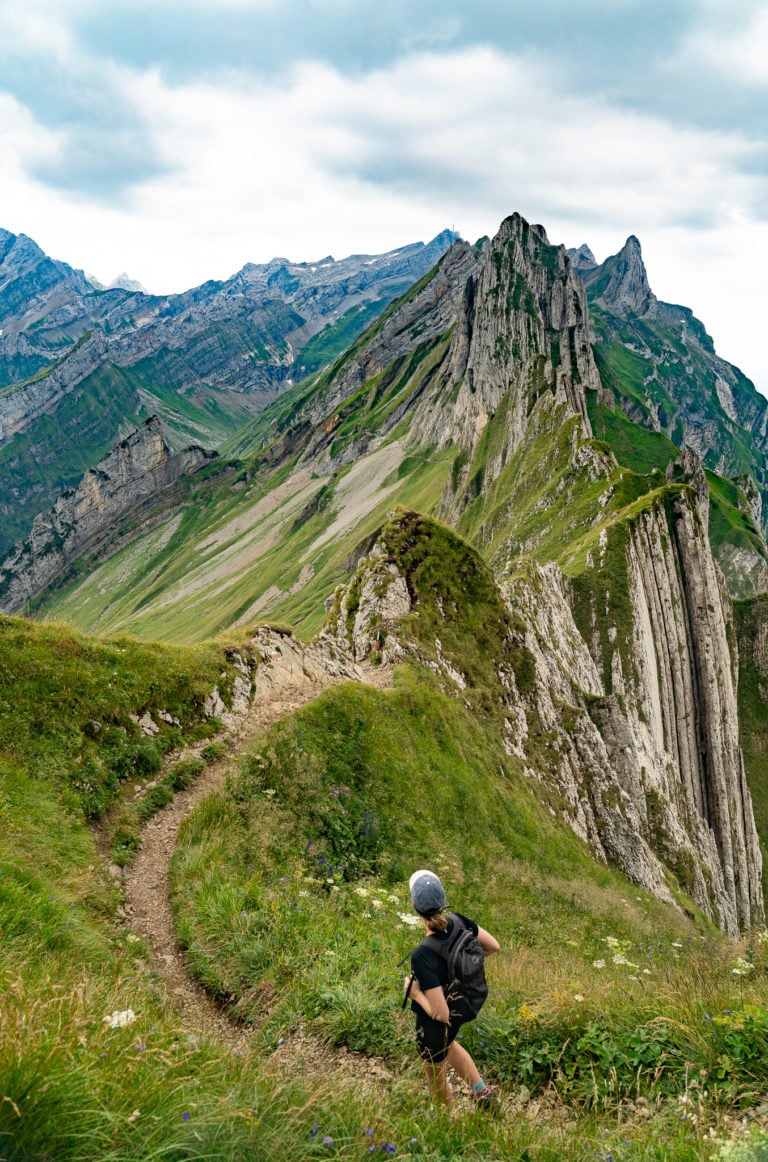

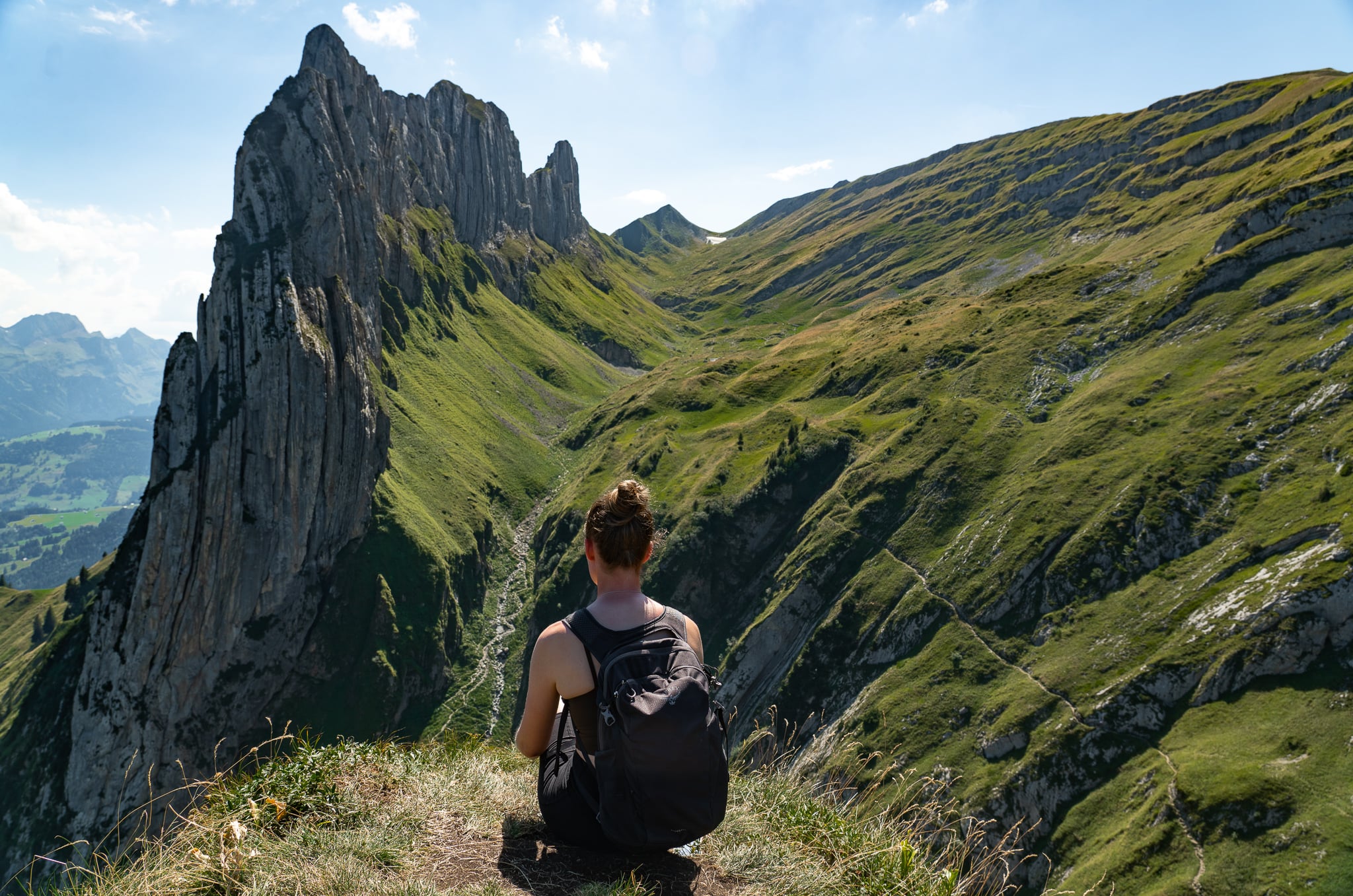
Seealpsee, the Schäfler ridge and Saxer Lücke are some of the best hikes I’ve done in Switzerland. Fair warning though: the Schäfler ridge walk was way more difficult than I was expecting. We did it over a bank holiday weekend in July and never felt the trail was too busy.
Switzerland In Winter
Switzerland is just as magical in the snow, and it’s when the whole place feels like a Christmas card.
Take tobogganing. When I think of it, I usually think “eh, not that fun unless you’re a kid”. But that’s because I’m from the UK, where tobogganing means finding a measly hill and sliding down some slushy snow that will be gone within the hour. Here, the runs are something else.
Spending a few hours in a HotTug on the glacial waters of Lake Brienz is one of the most unique winter experiences around, and certainly not something I’ve seen anywhere else. And make time to warm up with Swiss specialities like raclette, fondue and roasted chestnuts.
My guides to Interlaken in winter and Lauterbrunnen in winter cover everything to do in the colder months, from sledging to snowshoe tours.
Where To Stay In Switzerland
Interlaken
The most convenient base, with trains, boats and cable cars in every direction. My Interlaken itinerary has hotels for every budget.
Iseltwald
For a peaceful lakeside break, my favourite is Boutique Hotel Bellevue Iseltwald. On my very first visit to Switzerland, many years ago, I stayed at Lake Lodge Hostel here.
Lauterbrunnen
Perfect if you want to wake up in the waterfall valley. There aren’t really any super luxurious places to stay, but Hotel Staubbach is a classic, and Valley Hostel is a good budget option.
How To Save Money In Switzerland
Let’s be honest, Switzerland is an expensive place to travel, and transport is a big part of that. These are the ways I’ve kept costs down.
Get A Travel Pass
Read through the travel pass options before your trip, because the right one really can save you a lot of money. The Swiss Travel Pass covers trains, buses and boats across the country, and the Jungfrau Travel Pass is great if you’re based around Interlaken.
Consider Hiring A Car
I’ve snagged some pretty cheap car rental deals in Switzerland over the years, which is surprising given how expensive most things are. In my experience, the cheapest way to get here by plane and car is to fly into Geneva, rent a car from the French side of the airport, then drive into Switzerland.
Stay In Hostels Or Further Out
Hostels like Lake Lodge in Iseltwald and Valley Hostel in Lauterbrunnen are a fraction of the price of hotels, and staying a little further out of the big resorts is usually cheaper too.
My Top Tips For Switzerland
Pack For Every Kind Of Weather
Mountain weather changes fast. At Oeschinensee we went from a 30-degree day to severe thunderstorms the next, so always carry a waterproof layer.
Check The Weather App, Not Just The Forecast
Switzerland is notorious for its temperamental weather. I always use the Accuweather app, which I’ve found to be the most accurate, and I love its live radar for seeing what’s coming in the next few hours. Check the mountain webcams before a big hike too.
Avoid The Busiest Hikes At The Weekend
We did the Oeschinensee hike on a Sunday and could definitely have picked a better day. If you can’t go midweek, start as early as possible or go later in the day to miss the peak crowds.
Download Your Hiking Maps Offline
AllTrails is my go-to for hiking routes because you can download the maps ahead of time, which is a lifesaver when you lose signal in the mountains.
Budget For Cable Cars
Cable cars in Switzerland aren’t cheap, but some are worth every franc. Taking the one from Frümsen to Staubern for the Saxer Lücke hike is one I’d happily pay for again.
Expect The Unexpected When Paragliding
Paragliding over Interlaken is a must, but go with an open mind. When I did it, unexpected gusts of wind meant we landed considerably off course.
Don’t Skip Travel Insurance
I never take a trip without travel medical insurance, and for things like paragliding and alpine hiking it’s even more essential.
Switzerland Travel FAQs
Is Switzerland expensive to visit?
Yes, it’s one of the most expensive countries in Europe, especially for transport and eating out. A travel pass, staying in hostels or further out, and hiring a car can all help keep costs down.
How many days do you need in Interlaken?
At least 3 days, but ideally 5 to 7 if you want time for hikes, lake days and a trip up into the mountains.
When is the best time to visit Switzerland for hiking?
June to September, when most trails are clear of snow. July and August are the busiest months, but we hiked the Schäfler ridge on a July bank holiday weekend and it never felt too busy.
Should I stay in Interlaken or Lauterbrunnen?
Interlaken is the most convenient base for getting around, with lakes on both sides. Lauterbrunnen is quieter and perfect if you want to wake up surrounded by waterfalls.
Do you need a car in Switzerland?
No, the trains, buses and boats will get you almost everywhere. But a car can be surprisingly good value, especially if you fly into Geneva and hire from the French side of the airport.