
This post contains affiliate links, which help keep this blog free at no extra cost to you. Read my disclosure.
If you’ve read most of my posts on The Cotswolds by this point, you’ll know that I lived in Stratford-upon-Avon for years, right on the edge of the Cotswolds, and we drove out to the villages almost every weekend (and in which case, you’re probably tired of me saying it haha). Anyways, that means I know the roads pretty well – from the narrow lanes that wind up and down the hills to the big open stretches with nothing but fields all around you.
I’ll be honest, a car makes the Cotswolds SO much easier to get around, because the villages are spread out and the buses can be patchy. But you can absolutely do it without one if you plan around the train stations and a few key bus routes (you will just need to be pretty organised – and if that’s not you then you’re better off taking a tour from London or with a local guide).
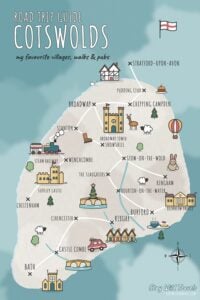
My guide covers both: driving and parking from my own trips, plus trains (which I’ve done with a friend once), buses, tours and the best base if you don’t have a car. If you’re still working out where everything is, my interactive Cotswolds map shows all the villages.
⏰ Tight on time? These are the ones to book:
🚆 Trains from London to Moreton-in-Marsh
🚐 Full-day small-group Cotswolds tour from London
Car Or No Car: The Short Answer
Tbh, if you can drive, a car is the easiest option by far. Usually when I drive, I’m able to see four or five villages in a day, stop wherever looks pretty and get to the places buses don’t reach, like Snowshill, Stanton and Castle Combe.
Without a car, I’d recommend that you pick one base with a train station and let the buses do the rest. You’ll see fewer places, but the main villages are all doable.
| How | Best for | Good to know |
|---|---|---|
| Car | Seeing lots of villages, quieter spots, walks | Parking in Bourton, Bibury and Burford fills up at weekends |
| Train | Getting to the Cotswolds from London, Oxford or Birmingham | Moreton-in-Marsh has direct trains from London Paddington |
| Bus | Hopping between the main villages | Fewer buses in the evenings and on Sundays |
| Tour | A day trip from London with no planning | You only get a short time in each village |
| Walking | Villages close together, like Bourton and the Slaughters | Muddy in winter, so wear boots |
Driving In The Cotswolds
What The Roads Are Like
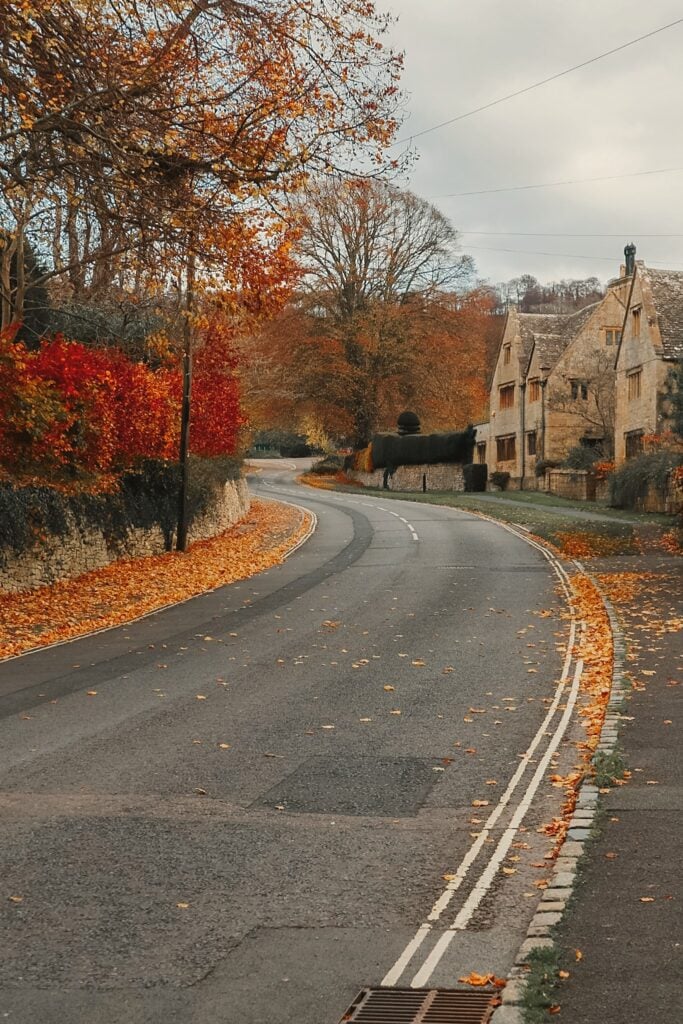
From all my drives, the roads are such a mix. You get narrow lanes that go up and down the hills, often with high hedges and stone walls on both sides, and then the road opens out into big stretches with fields all around you and it’s so so gorgeous.
What I will warn you about, though, is that some of the roads around Bourton-on-the-Water and the Slaughters are super narrow and windy, so take them slowly and be ready to pull into a passing place for oncoming cars (and the odd tractor lol). Also, I always find that sat navs love a shortcut down a single-track lane, so if a road looks tiny I’d stick to the bigger A-roads between villages.
I’ve driven from one end of the Cotswolds to the other, and it takes about an hour and a half to two hours. So it’s really do-able in a day with lots of little stops, and most of the best villages are in the north and middle, which cuts the driving down even more.
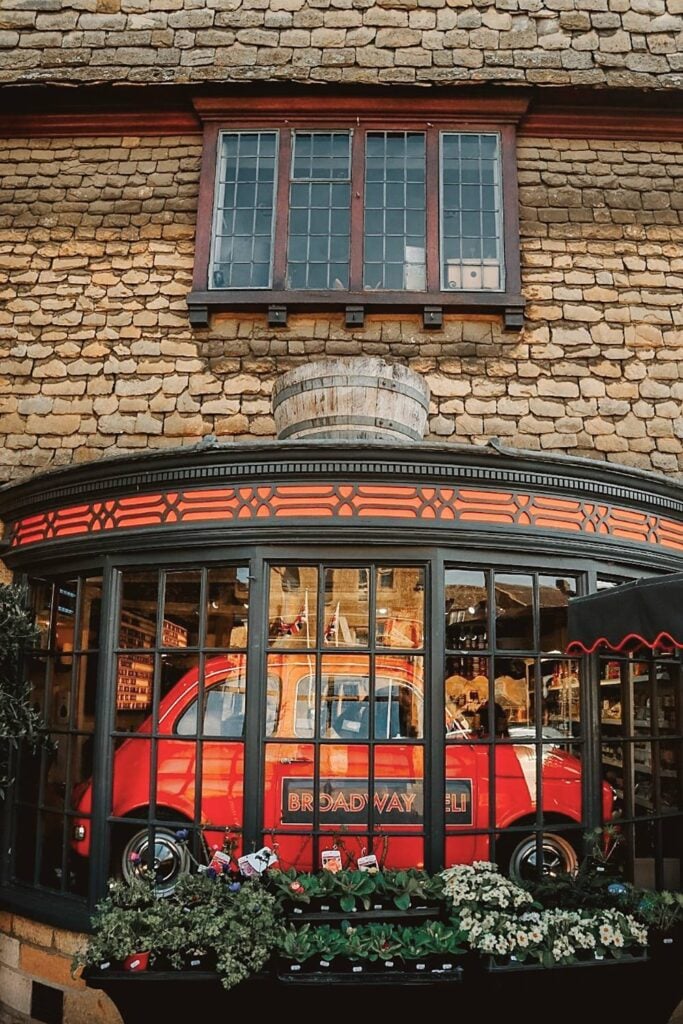
Parking In The Busy Villages
Parking is the one thing that can sometimes catch me out, especially on summer and December weekends. In Bourton-on-the-Water I always parked at the big car park just outside the village on Rissington Road, right next to Birdland and walked in. It’s only a few minutes’ walk to the river, and trying to park in the village itself just isn’t worth the stress.
Also, just a quick FYI that the council has announced that Rissington Road will be free before 10am, with charges from 10am to 8pm under its new Cotswolds parking plan, so check the signs when you arrive. Getting there early also means you see the village before the crowds.
My other parking tips:
- Burford: get there early at weekends, as parking near the high street fills up fast.
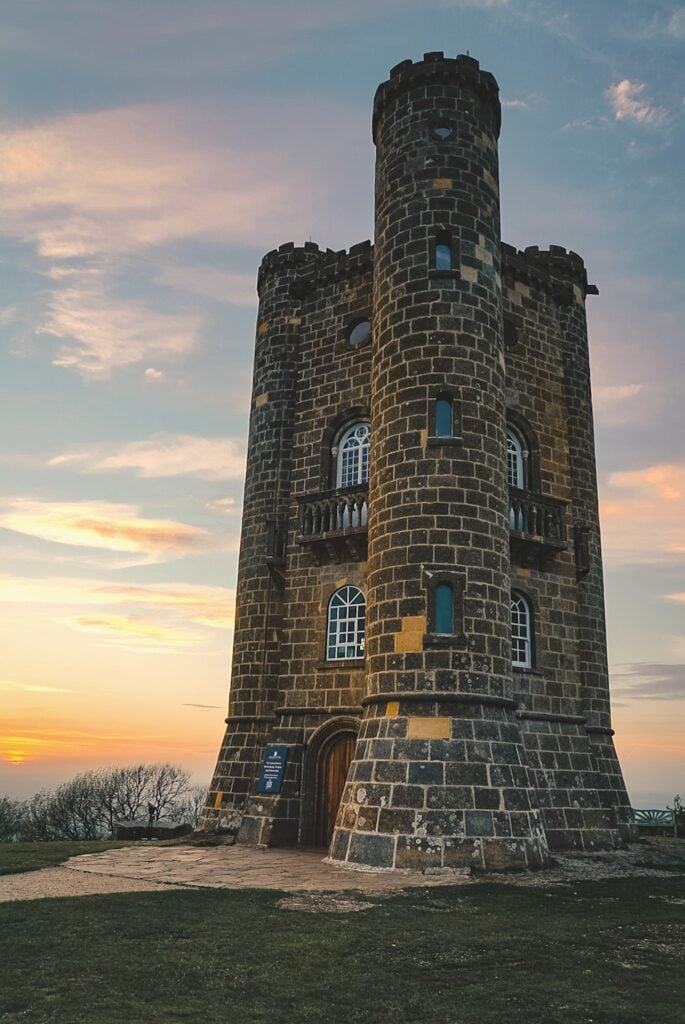
- Broadway: there’s pay and display parking just off the high street, which is handy for the village and the walk up to Broadway Tower.
- Bibury and Castle Combe: both are tiny, so go early or late in the day, and in Castle Combe use the car park at the top of the village and walk down.
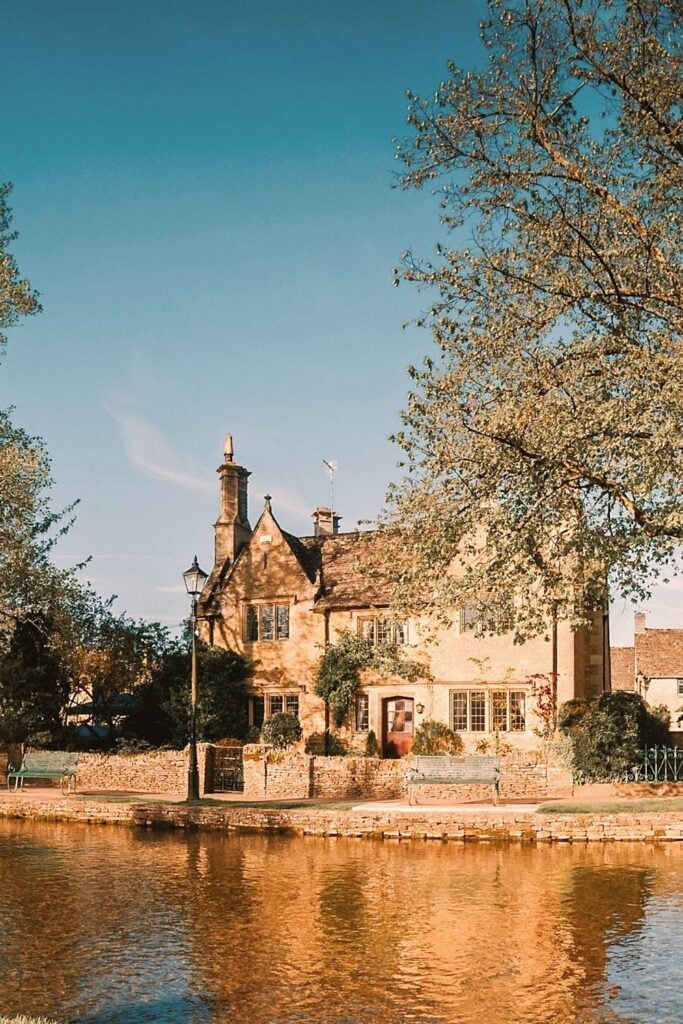
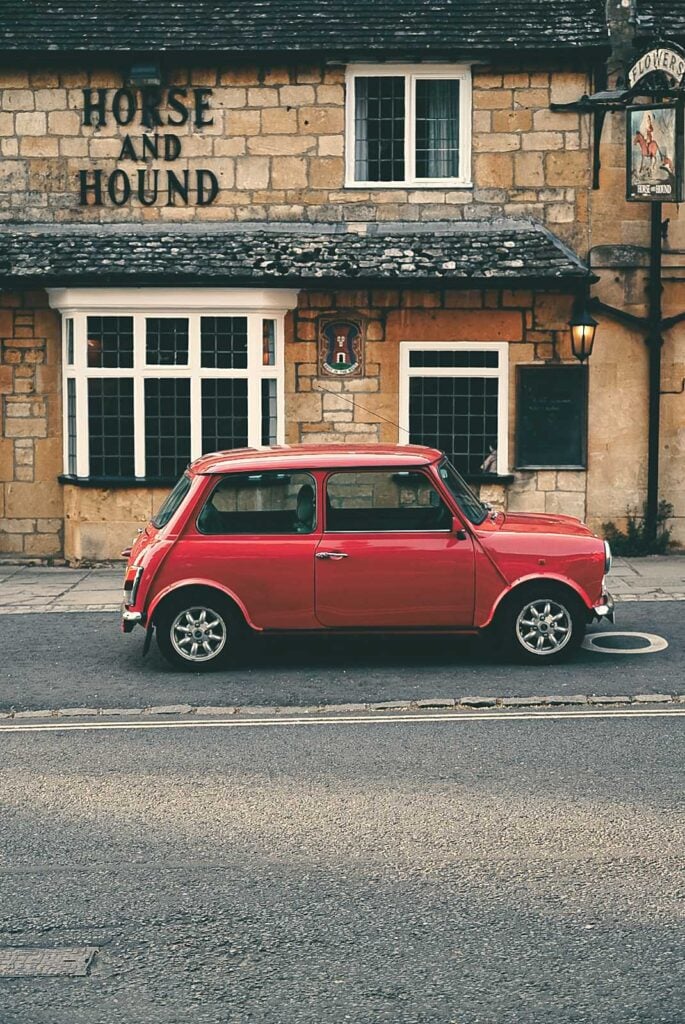
Hiring A Car
I know this part of the UK very well, and if you’re coming by train part of the way, then I’d actually recommend that you pick up a hire car in Oxford, Cheltenham or Birmingham and drive into the Cotswolds from there because the train ticket will be cheaper. I’d compare prices on Discover Cars, and book a small car – because as I already mentioned, the lanes and parking spaces are tight!
Getting Around The Cotswolds Without A Car
By Train
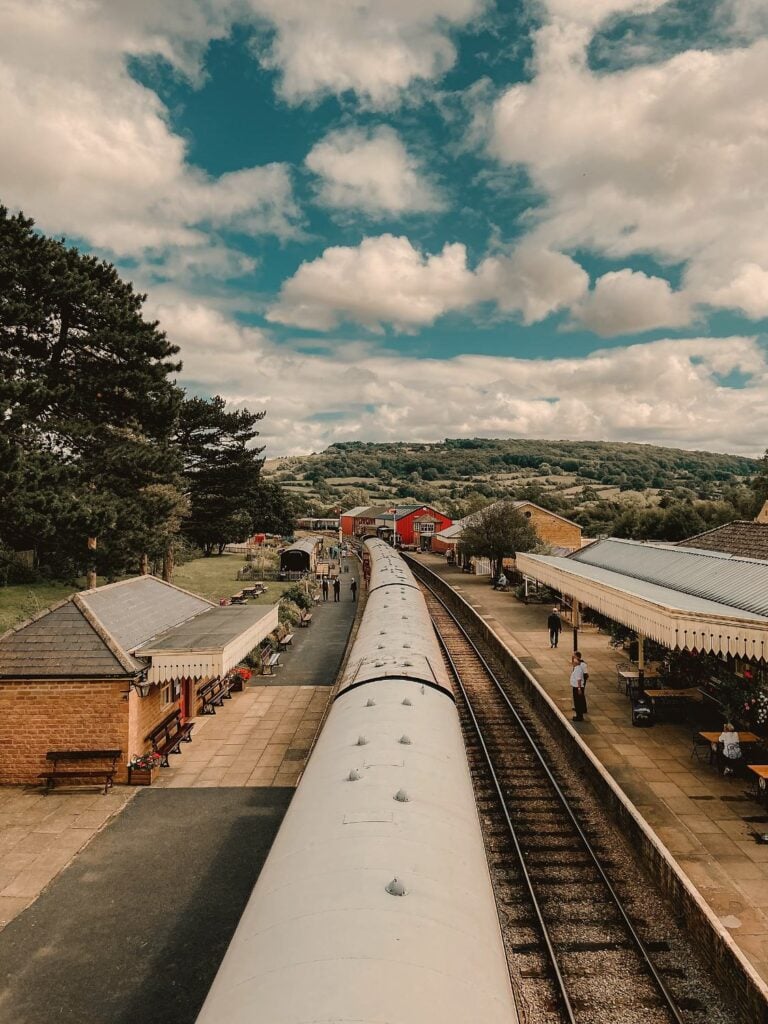
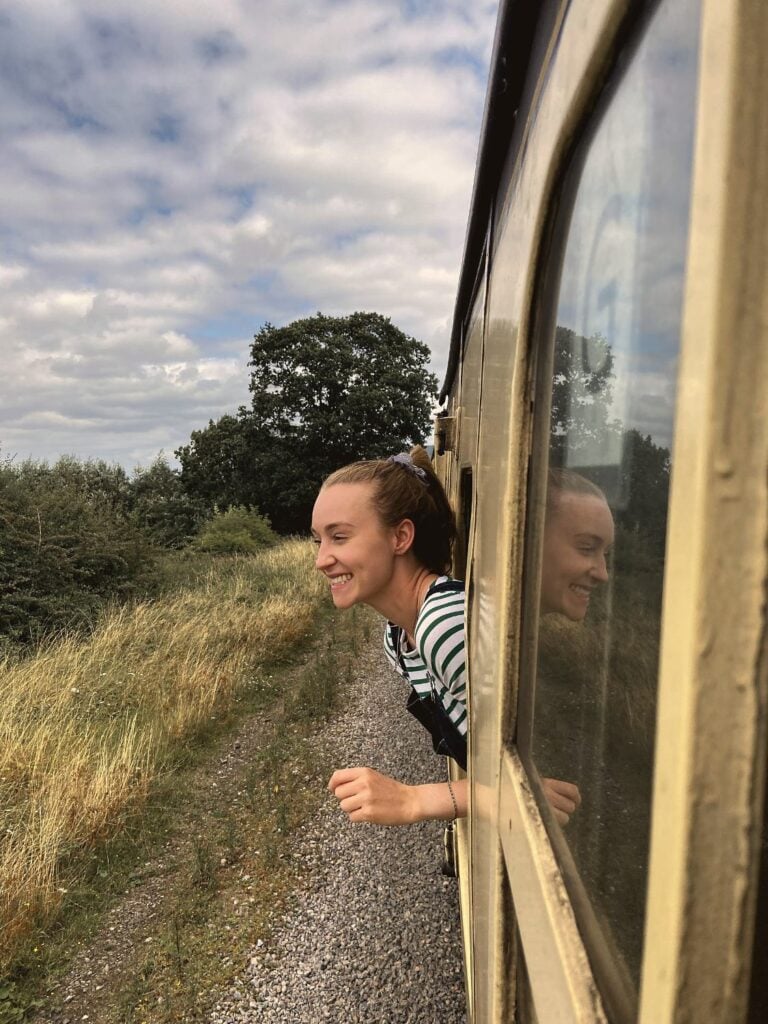
Now look, it’s definitely nice not having the responsibility of a car, and whilst it is totally possible to not have one, you will be limited in which villages you can go to. There aren’t many stations in the villages themselves, but a few sit right in the middle of the Cotswolds. The most useful is Moreton-in-Marsh, which has direct trains from London Paddington in about 1 hour 30 minutes, run by GWR on the Cotswold Line.
| Station | Good for |
|---|---|
| Moreton-in-Marsh | The best car-free base, with buses to Stow, Bourton, Broadway and Chipping Campden |
| Kingham | Stow-on-the-Wold, Daylesford and The Wild Rabbit pub |
| Charlbury | The eastern Cotswolds and Oxfordshire villages |
| Evesham or Honeybourne | Broadway and the northern villages |
| Kemble | Cirencester and the southern Cotswolds |
| Stroud | The Golden Valley and the south-west Cotswolds |
| Cheltenham Spa | Buses to Winchcombe, Bourton and Broadway |
| Oxford | Buses to Woodstock, Blenheim Palace and Burford |
You can compare train times and fares on Omio. Advance tickets from London start from around £14 if you book early.
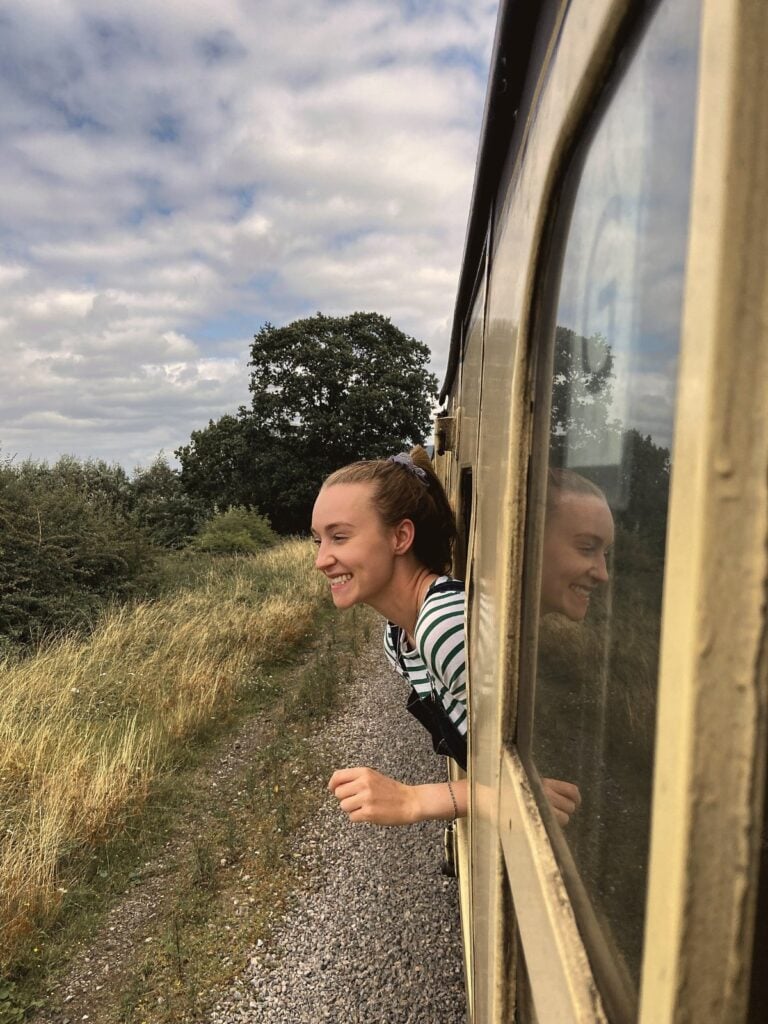
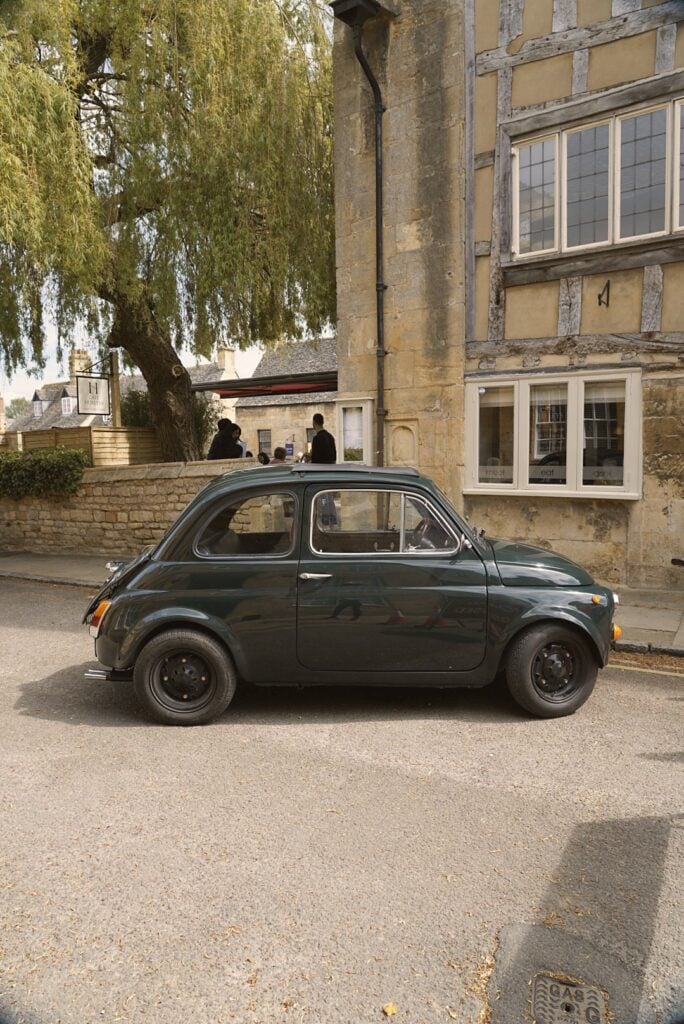
The steam train photos above are from the Gloucestershire Warwickshire Steam Railway, a heritage line that runs between Cheltenham Racecourse and Broadway on selected days. It’s more of a day out than a way to get around, so check the steam railway’s running days before you plan around it.
By Bus
When I checked the timetable and looked at the map, I quickly realised that the buses are the part that needs the most planning, but the main routes are really useful. I found that the most useful is the 801, which links Cheltenham, Bourton-on-the-Water, Stow-on-the-Wold and Moreton-in-Marsh, and Pulhams added later evening buses in 2026 to meet the trains at Moreton.
| Bus | Route |
|---|---|
| 801 | Cheltenham, Bourton-on-the-Water, Stow-on-the-Wold, Moreton-in-Marsh, Chipping Norton |
| 1 and 2 | Stratford-upon-Avon, Chipping Campden, Broadway, Moreton-in-Marsh |
| 606 | Chipping Campden, Broadway, Stanton, Winchcombe, Cheltenham |
| 855 | Bourton-on-the-Water, Northleach, Bibury, Cirencester |
| S3 | Oxford, Woodstock (for Blenheim Palace), Chipping Norton |
| 95 and 95A | Chippenham to Castle Combe |
I also saw that there’s a vintage Number 11 heritage bus between Chipping Campden, Moreton, Stow and Bourton, which runs at weekends from May to September and on Saturdays until 19 December 2026 which I think would be so much fun, and part of the experience itself.
Just be sure to check the timetables before you go, as most routes run less often in the evenings and on Sundays, and some villages only get a few buses a day.
On A Day Tour
The whole trains and buses thing is kind of a faff tbh, so if you can’t drive or rent a car, then I would actually be more inclined to book a tour just to keep things a bit less chaotic.
You’d have two options: either get yourself to The Cotswolds and do a private tour with a local guide, or join a full-day small-group Cotswolds tour from London – it has thousands of reviews and takes you round a handful of the prettiest villages.
On Foot
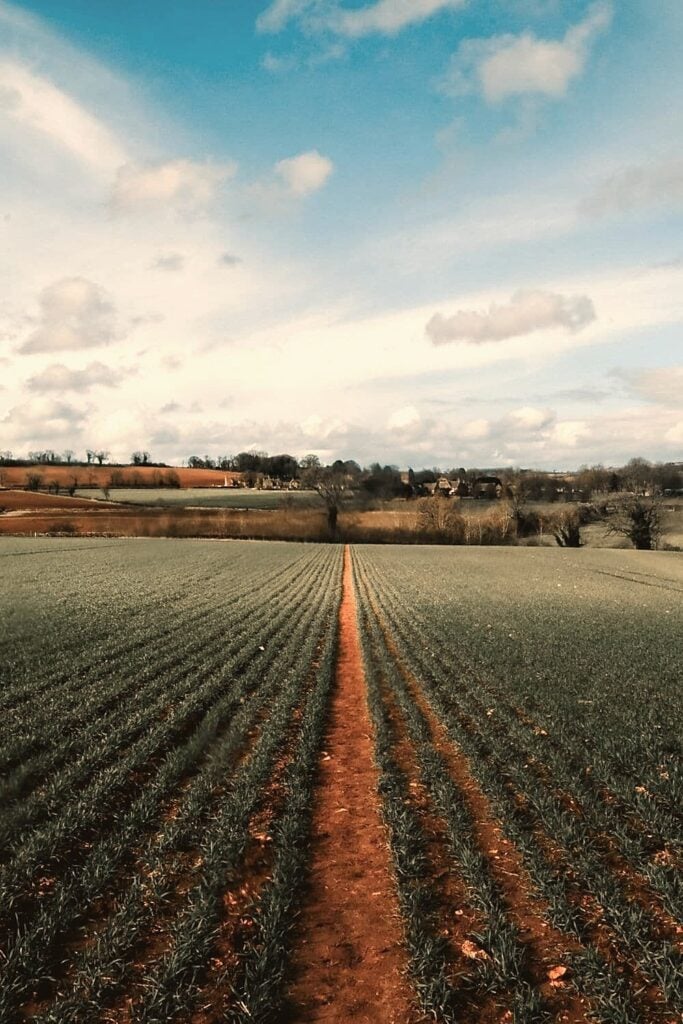
I really like exploring most places on foot – I feel like I see SO much more when I do this because I stumble across stuff that I might not have necessarily seen. And tbh, some villages are close enough to walk between, and you get the countryside in between too. From Bourton-on-the-Water I always walk to Lower Slaughter in about 30 minutes along the river and across the fields, and on to Upper Slaughter. My guide to the best walks in the Cotswolds has 15 routes, and lots of them start or end in a village with a bus stop.

Getting To The Cotswolds From London
The easiest options from London are:
- By train: London Paddington to Moreton-in-Marsh is direct and takes about 1 hour 30 minutes, with trains through the day.
- By car: it’s about 2 hours to the northern Cotswolds, depending on traffic getting out of London.
- On a tour: a day tour from London picks you up in central London and drives you round the villages.
If you’re planning a longer trip, my 3-day Cotswolds itinerary has the route I’d drive day by day.
Map Of Cotswolds Train Stations And Bases
Every pin is a train station or a village mentioned in this guide, so you can see how they connect.
Tap a pin for the train or bus that gets you there.
Where To Stay Without A Car
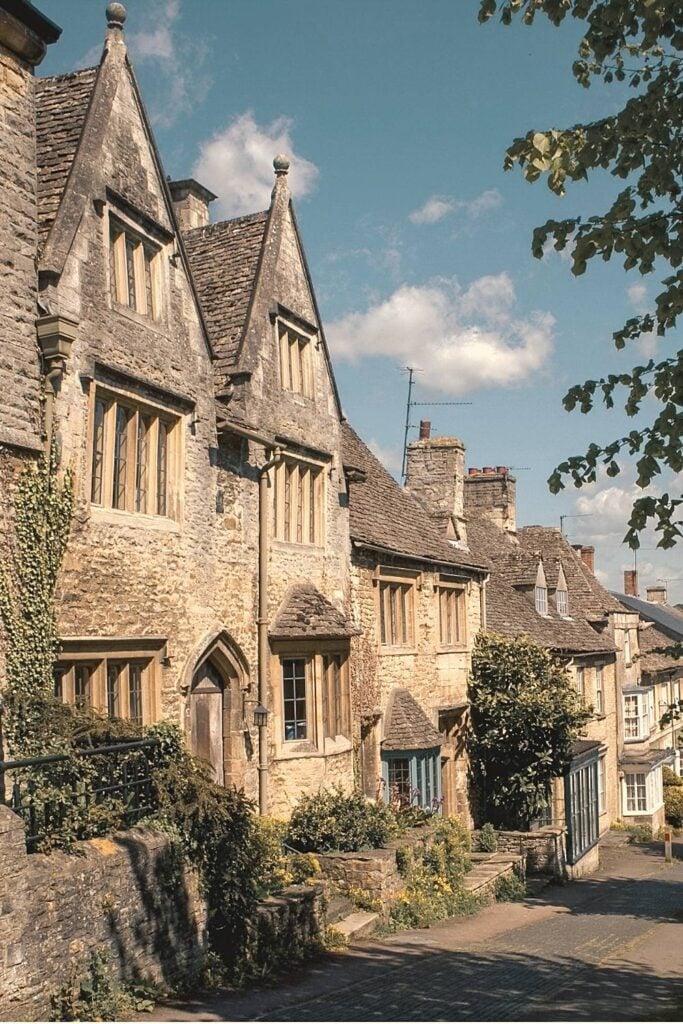
Without a car, I’d stay in Moreton-in-Marsh. It has the train station with direct trains from London, the 801 bus to Stow and Bourton, the 1 and 2 buses to Broadway and Chipping Campden, and plenty of pubs and places to eat. I haven’t stayed there myself because I used to live in Stratford-upon-Avon, but it’s the base that makes the most sense when you’re relying on trains and buses.
If you’d rather wake up somewhere prettier, Bourton-on-the-Water works too, as the 801 links it to Moreton station. And if you are driving, I stayed at The Broadway Hotel as a little treat once, and Broadway is the base I’d choose: my guide to the best Cotswold villages has more on each one.
Getting Around The Cotswolds FAQs
Can you visit the Cotswolds without a car?
Yes. Base yourself somewhere with a train station, like Moreton-in-Marsh, and use the 801, 1, 2 and 606 buses to reach Stow, Bourton, Broadway and Chipping Campden. You’ll see fewer villages than by car, so plan a few each day.
Which Cotswold towns have a train station?
Moreton-in-Marsh, Kingham, Charlbury, Kemble and Stroud are the main ones, with Evesham, Honeybourne, Cheltenham Spa and Oxford on the edges. Bourton-on-the-Water, Stow, Broadway and Bibury have no station.
How do you get from London to the Cotswolds?
The quickest way is the direct train from London Paddington to Moreton-in-Marsh, which takes about 1 hour 30 minutes. Driving takes about 2 hours, or you can join a day tour from central London.
Is it easy to drive in the Cotswolds?
Yes, but the country lanes are narrow and hilly, with passing places on the smallest roads. Take them slowly, book a small car and arrive early in the busy villages to get a parking space.
Is there a bus between Bourton-on-the-Water and Stow-on-the-Wold?
Yes, the 801 runs between Bourton-on-the-Water, Stow-on-the-Wold and Moreton-in-Marsh through the day. Check the latest timetable before you travel, as evening and Sunday services are less frequent.
More Cotswolds Guides
All my Cotswolds posts are in one place in my Cotswolds travel guide, and these are the ones to read next:
- The best time to visit the Cotswolds
- A perfect 3-day Cotswolds itinerary
- The prettiest Cotswold villages
- 15 best walks in the Cotswolds
More guides you might like



Written by
Millie Austin
Hi, I'm Millie, a Brit who swapped a London desk job for life in Lima, Peru. Every guide on Stay Wild Travels comes from my own trips, from hiking the Cotswolds and the Peak District to the Swiss Alps and the Andes, with the honest bits included.